



Creating a beautiful home in 2026 does not require a luxury budget or designer-level spending. With rising living costs and shrinking urban spaces, homeowners and renters alike are searching for practical ways to transform their interiors without overspending. Fortunately, the design world has shifted toward sustainability, intentional living, and creativity—making stylish interiors more accessible than ever.
Research highlighted by the National Association of Home Builders shows that homeowners increasingly prioritize functional design and energy efficiency over expensive finishes, reinforcing the idea that smart choices matter more than price tags. Meanwhile, insights from the American Society of Interior Designers emphasize that thoughtful layout, lighting, and color decisions have a greater impact than high-end furniture. These trends reflect a broader movement toward strategic decorating rather than impulse spending.
This in-depth guide explores practical, research-backed, and trend-conscious strategies for refreshing any home affordably in 2026. Every section provides actionable ideas, credible references, and long-form guidance to help readers create lasting impact on a budget.
1. Understanding 2026 Home Decor Trends Without Overspending

Home decor trends in 2026 revolve around sustainability, multifunctionality, and calm, nature-inspired aesthetics. Publications such as Architectural Digest frequently report the growing popularity of earth tones, textured fabrics, and flexible layouts designed for hybrid living. Instead of chasing expensive seasonal fads, homeowners can interpret these trends through affordable updates.
Earthy palettes like warm beige, olive green, muted terracotta, and soft charcoal can be introduced through paint samples, cushion covers, or secondhand decor. According to research shared by Sherwin-Williams, color significantly influences mood and perception of space, making paint one of the most cost-effective design tools available. A single accent wall can dramatically shift the atmosphere without requiring a full renovation.
Biophilic design—an approach integrating natural elements into interiors—is also gaining traction, supported by environmental psychology research referenced by Harvard Health Publishing, which connects exposure to natural elements with improved well-being. This trend does not require expensive remodels; indoor plants, natural fiber rugs, wooden trays, and linen curtains offer affordable entry points.
Multifunctional furniture remains essential in 2026, especially for urban apartments. Foldable desks, storage ottomans, and wall-mounted shelving optimize space without expanding square footage. Smart decorating now focuses on maximizing utility rather than purchasing excess items.
2. Budget Paint Techniques That Transform Any Room
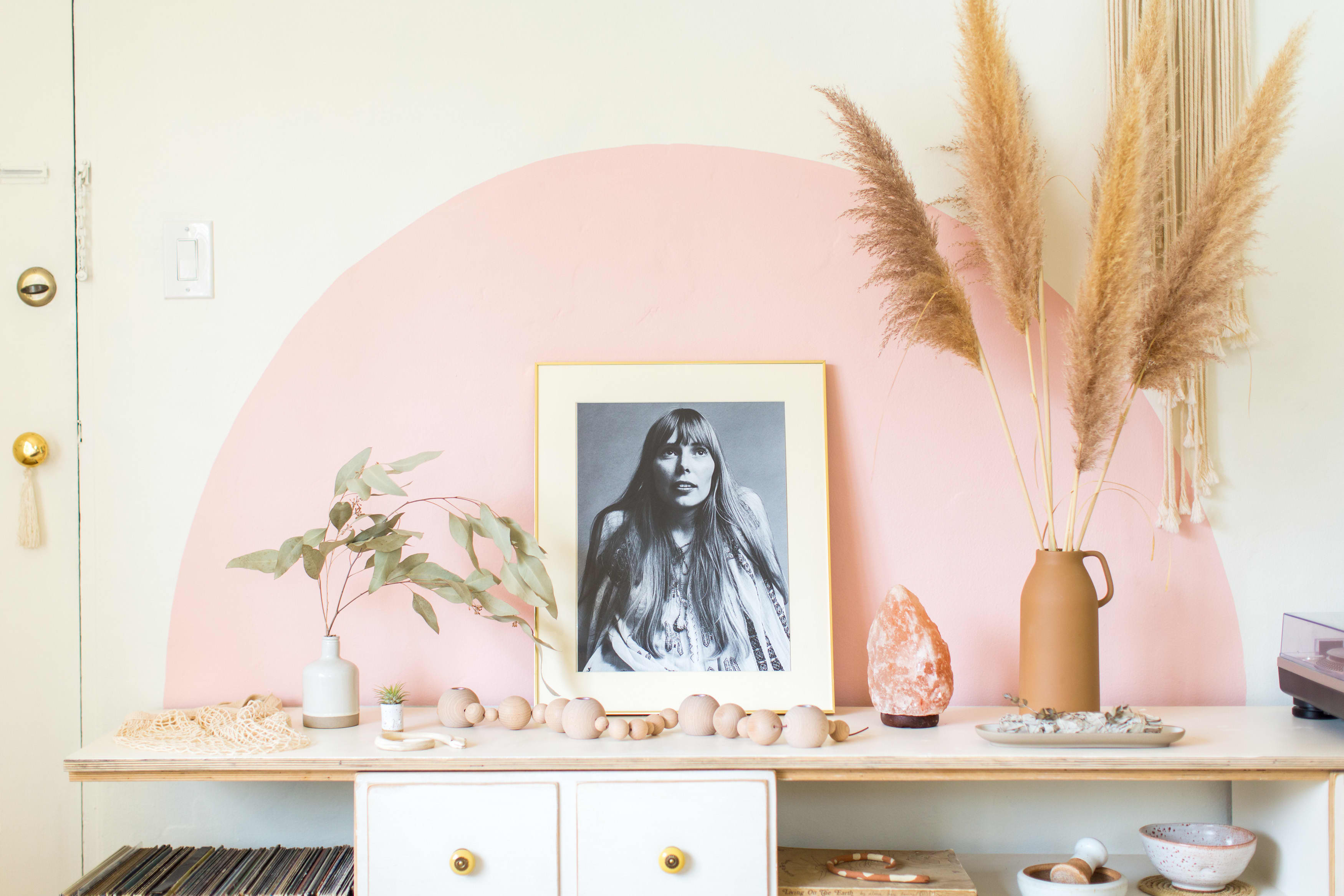
Paint remains the most affordable and impactful decor upgrade available. According to data published by HomeAdvisor, painting delivers one of the highest visual returns relative to cost among home improvement projects. In 2026, creative paint techniques are replacing expensive wallpaper and paneling.
Geometric designs using painter’s tape allow homeowners to introduce bold shapes at minimal cost. Painted arches—particularly behind beds or sofas—create a focal point without purchasing large art pieces. Two-tone walls, where the lower half is painted in a deeper shade, add dimension and perceived height.
Ceilings, often overlooked, can be painted soft neutral tones to add subtle sophistication. Even refreshing baseboards and trims can modernize an aging room without replacing materials. Selecting low-VOC paint options, recommended by the Environmental Protection Agency (EPA), ensures healthier indoor air quality while upgrading aesthetics.
For renters, removable peel-and-stick paint alternatives and temporary wallpaper can achieve similar results without violating lease agreements.
3. Smart Furniture Strategies: Buy Less, Style Better

Furniture often consumes the largest portion of decor budgets. However, purchasing fewer, versatile pieces typically yields better long-term value. Experts at IKEA’s Life at Home Report consistently highlight that comfort and practicality outweigh luxury finishes in daily satisfaction.
Secondhand marketplaces, local resale apps, and thrift stores offer high-quality wooden pieces at a fraction of retail prices. Solid wood tables, vintage dressers, and metal frames can be refinished or repainted affordably. Reupholstering dining chairs with durable fabric is often cheaper than replacing them.
Instead of filling a room with multiple small items, investing in one visually grounding piece—such as a neutral sofa—creates structure. Surrounding it with affordable decor accents prevents visual clutter while maintaining style cohesion.
Floating shelves provide storage without consuming floor space. Wall-mounted desks are ideal for compact apartments, aligning with the multifunctional living trend of 2026.
4. Lighting: The Most Underrated Budget Upgrade

Lighting profoundly influences mood, depth, and perceived luxury. According to research discussed by the American Lighting Association, layered lighting enhances both functionality and ambiance. Fortunately, lighting upgrades can be affordable.
Switching to warm LED bulbs instantly softens a room. Adding a floor lamp in a dark corner improves visual balance. Under-cabinet LED strips brighten kitchens without renovation. Swapping outdated light shades with modern alternatives refreshes the room at minimal cost.
Strategic lighting placement—task, ambient, and accent lighting combined—creates a designer-like effect without high-end fixtures.
5. Affordable Wall Decor That Looks High-End

Wall decor often determines whether a space feels complete. Instead of purchasing expensive art, printable designs from reputable art platforms, framed uniformly, create cohesive gallery walls. Floating ledges allow art rotation without drilling multiple holes.
Mirrors remain one of the most cost-effective decor tools. As noted by Better Homes & Gardens, mirrors enhance natural light and make small rooms appear larger. Oversized mirrors can be found affordably through resale platforms.
DIY canvas art using neutral acrylic palettes aligns with 2026’s minimalist trend. Texture, rather than color complexity, defines contemporary aesthetics.
6. Textile Updates: Instant Warmth Without Renovation

Textiles are among the simplest ways to refresh a home. Swapping cushion covers seasonally introduces new colors affordably. Layering rugs adds depth and insulation without replacing flooring.
Natural fabrics such as cotton and linen, frequently recommended by sustainability advocates at The World Green Building Council, support healthier indoor environments while enhancing comfort.
Curtains hung higher than window frames create the illusion of taller ceilings. Affordable bedding in cohesive neutral tones instantly elevates bedrooms.
7. Comparison Table: High Impact vs. High Cost Decor Choices
Smart Spending Guide for 2026
| Decor Element | Budget-Friendly Option | Expensive Alternative | Visual Impact | Cost Efficiency |
|---|---|---|---|---|
| Wall Upgrade | Accent paint design | Full wall paneling | High | Excellent |
| Lighting | Floor lamp + warm LEDs | Designer chandelier | High | Very Good |
| Furniture | Thrifted solid wood | Brand-new luxury set | Medium–High | Excellent |
| Flooring | Layered rugs | Full floor replacement | High | Very Good |
| Art | Framed printables | Original artwork | Medium | Excellent |
| Storage | Floating shelves | Built-in cabinetry | High | Very Good |
This comparison illustrates that affordable alternatives often deliver similar visual results without financial strain.
8. Sustainable & DIY Decor Ideas for 2026

Sustainability defines modern home decor decisions. Upcycling glass jars into storage containers, repurposing wooden crates into shelves, and refreshing old frames with paint reduce waste and expenses simultaneously.
Indoor plants like pothos and snake plants improve air quality, supported by research often cited from NASA’s Clean Air Study, making greenery both decorative and functional.
Energy-efficient bulbs, recycled materials, and mindful purchasing reduce long-term costs and environmental impact.
9. Frequently Asked Questions (FAQ)
How can a small apartment look expensive on a budget?
Focus on lighting, neutral color schemes, and decluttering. Cohesion and intentional design create a premium feel more than expensive materials.
What is the cheapest way to refresh a living room in 2026?
Rearranging furniture, adding warm lighting, and updating cushions provide immediate transformation without major expenses.
Are DIY decor projects worth it?
Yes, when materials are affordable and quality tools are used. DIY offers personalization and cost savings, especially for wall art and shelving.
How often should home decor be updated?
Core furniture should last years, while smaller elements like textiles and accessories can be refreshed seasonally.
Does minimalism save money?
Yes. Intentional purchasing reduces clutter and unnecessary spending while improving visual clarity.
Conclusion: Designing Smart, Living Better
Budget-friendly home decor in 2026 is less about spending less and more about spending wisely. By focusing on paint, lighting, multifunctional furniture, sustainable materials, and thoughtful styling, homeowners can achieve elegant results without financial stress. Research-backed insights from respected industry organizations reinforce that intentional design decisions outweigh expensive materials.
Affordable decor is not about limitation; it is about creativity, strategy, and understanding visual impact. Small upgrades—when layered thoughtfully—produce transformative results. As design trends continue evolving toward sustainability and mindful living, accessible decorating solutions will remain central to modern interiors.
A well-designed home does not require luxury budgets. It requires clarity, cohesion, and commitment to practical improvements that enhance comfort and functionality. With careful planning and informed decisions, any space can reflect contemporary style while remaining financially responsible.

