



Living in an apartment often means embracing limited square footage, especially in the bedroom. When that bedroom doubles as a dressing area, workspace, and personal retreat, clutter can quickly take over. Smart organization is not just about aesthetics; it directly impacts sleep quality, mental clarity, and daily efficiency. According to the National Sleep Foundation, a clean and well-organized bedroom supports better sleep hygiene, which influences overall well-being. Thoughtful organization transforms even the smallest apartment bedroom into a calm, functional, and visually spacious environment.
This comprehensive guide explores practical, research-backed, and expert-approved strategies to help maximize every inch of a small bedroom. From vertical storage systems to multifunctional furniture and space-optimizing layouts, each section delivers actionable ideas designed for real apartment living.
Understanding the Challenges of Small Apartment Bedrooms
Apartment bedrooms present unique constraints: limited closet space, narrow floor plans, rental restrictions, and often awkward layouts. Many apartments are built to prioritize living areas over bedroom size, which leaves residents navigating tight quarters. Research published by the American Psychological Association highlights how cluttered environments can increase stress and reduce focus, reinforcing the importance of structured organization.
In smaller rooms, traditional furniture placement can create bottlenecks, while overstuffed closets lead to daily frustration. The key is not simply adding storage but rethinking how space functions. Efficient organization considers vertical height, underutilized corners, and flexible design elements that adapt to changing needs.
Start with Strategic Decluttering
Effective organization begins with intentional reduction. Professional organizing experts frequently recommend the “category method” popularized by Marie Kondo, which encourages evaluating belongings by type rather than location. This method reveals duplicates and unnecessary items that consume valuable bedroom space.
Decluttering in an apartment bedroom involves examining:
- Seasonal clothing that can be rotated out.
- Decorative items that crowd surfaces.
- Duplicate bedding or excess pillows.
- Rarely used accessories.
The Environmental Protection Agency provides guidance on responsible donation and recycling practices, helping ensure discarded items are managed sustainably. Removing excess items immediately creates breathing room and clarifies what storage solutions are genuinely needed.
Maximize Vertical Space
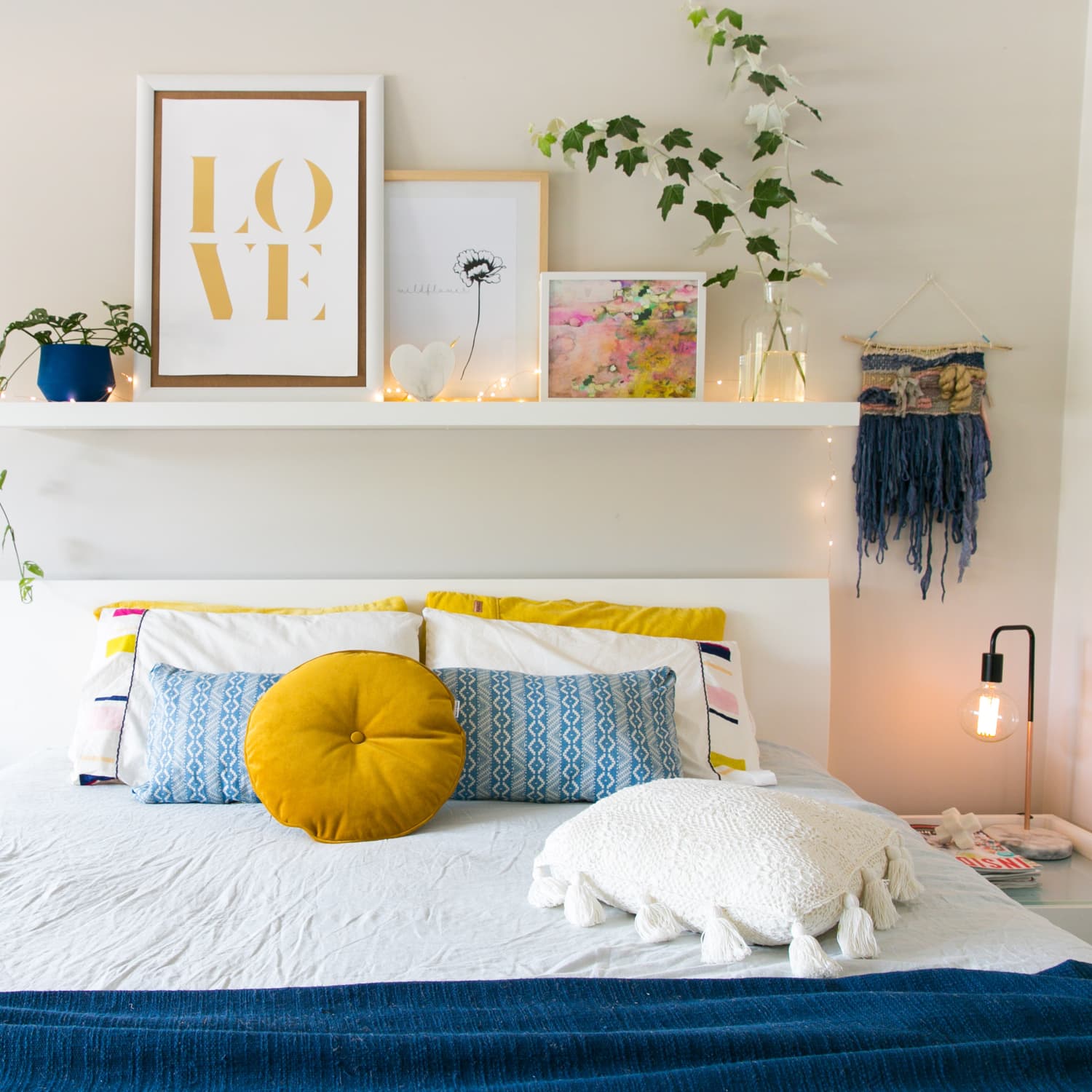
When floor space is limited, the most underutilized asset is vertical height. Apartment ceilings often provide several unused feet above eye level that can support shelving, wall-mounted storage, or tall cabinets.
Installing floating shelves above a desk, dresser, or even above the bed adds storage without consuming floor space. According to design insights shared by Architectural Digest, vertical storage creates the illusion of higher ceilings while improving organization efficiency.
Tall, narrow bookcases are particularly effective in small bedrooms because they provide substantial storage in a minimal footprint. Wall-mounted hooks for bags, hats, and accessories keep items visible and accessible while eliminating cluttered surfaces.
For renters, tension rods, adhesive wall hooks, and removable shelving brackets offer damage-free solutions that comply with typical lease restrictions.
Invest in Multifunctional Furniture
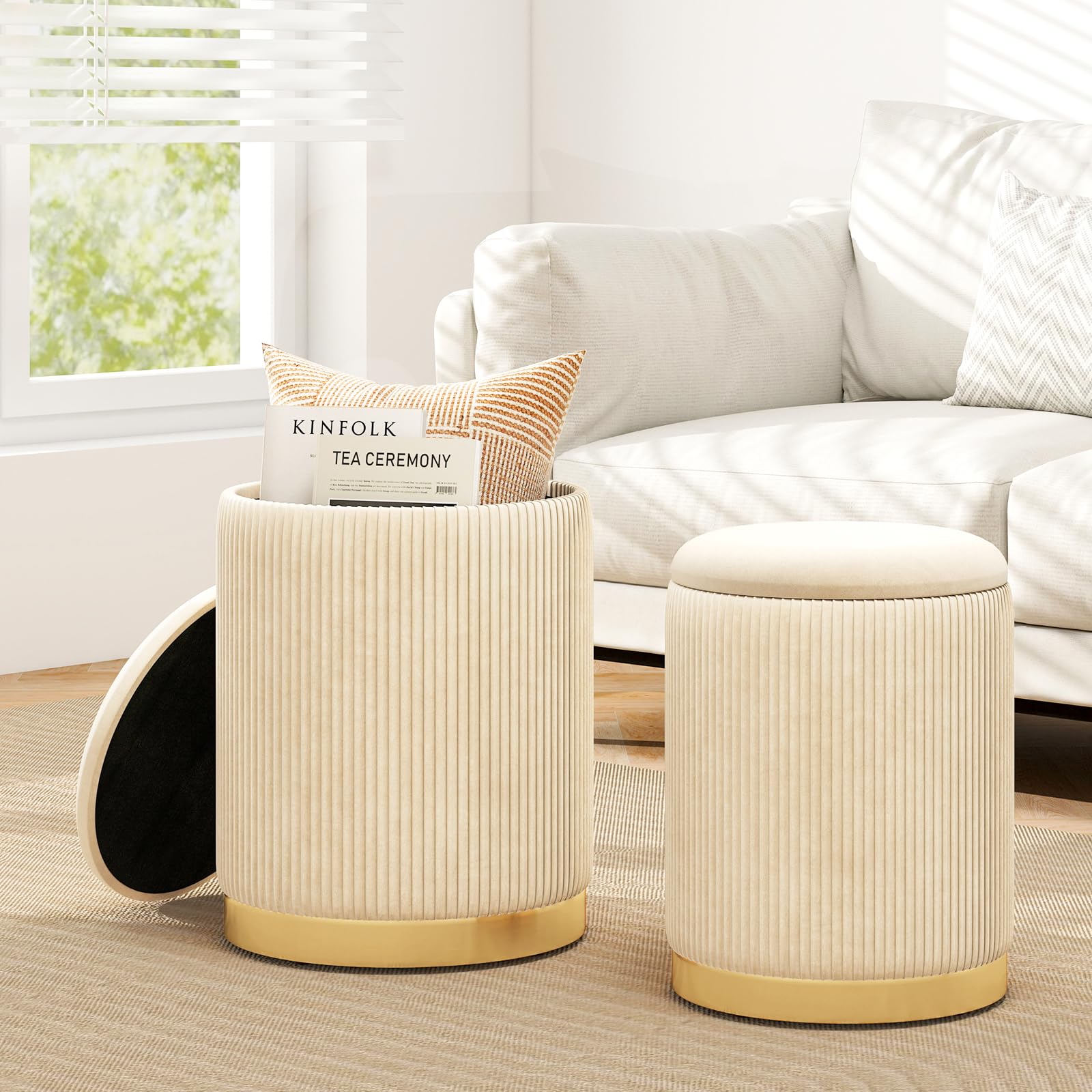
In compact bedrooms, every piece of furniture should serve more than one purpose. Multifunctional designs are essential for maximizing limited square footage.
Popular options include:
- Beds with built-in drawers or hydraulic lift storage.
- Storage ottomans that double as seating.
- Nightstands with shelves or hidden compartments.
- Fold-down desks mounted to the wall.
The American Institute of Architects frequently highlights multipurpose design as a core strategy in small-space architecture. Storage beds, in particular, can replace bulky dressers, freeing significant floor space.
Selecting streamlined furniture with exposed legs can also create a sense of openness by allowing light to flow underneath pieces.
Optimize Closet Systems
Closets in apartments are often shallow and minimally equipped. However, small modifications can dramatically improve storage capacity. Closet system research from the National Association of Home Builders indicates that customized shelving increases usable storage space by up to 50 percent.
Enhancements may include:
- Double hanging rods for shorter garments.
- Shelf dividers to prevent stacked clothing from toppling.
- Slim, uniform hangers to reduce bulk.
- Over-the-door organizers for shoes or accessories.
Drawer organizers inside dressers maintain order within confined storage spaces. Separating items into categories prevents daily disruptions and reduces visual clutter.
Use Under-Bed Storage Effectively
The space beneath the bed is frequently overlooked. In apartment bedrooms, it can function as a hidden storage zone for seasonal clothing, spare bedding, or rarely used items.
Clear storage bins with labels make retrieval easy while maintaining neatness. Vacuum-sealed bags are particularly effective for bulky items such as winter comforters. The Container Store’s organization experts emphasize choosing uniform storage containers to create visual consistency and prevent wasted gaps.
If the bed sits low to the ground, bed risers can safely elevate it and expand storage capacity without compromising stability.
Smart Layout Planning for Small Bedrooms
Room layout plays a crucial role in maintaining organization. Even well-designed storage solutions can fail if the furniture arrangement restricts movement or blocks natural light.
Key layout principles include:
- Positioning the bed against the longest wall.
- Avoiding oversized dressers that crowd pathways.
- Keeping walking areas clear.
- Using mirrors to reflect light and create depth.
According to research shared by the International Interior Design Association, strategic mirror placement enhances perceived space by reflecting both natural and artificial light sources.
Maintaining clear sightlines from the doorway also contributes to a less cramped visual impression.
Comparison Table: Storage Solutions for Small Apartment Bedrooms
Best Storage Options by Space and Budget
| Storage Solution | Ideal For | Space Impact | Budget Range | Rental-Friendly | Organization Level |
|---|---|---|---|---|---|
| Storage Bed | Clothing & linens | High efficiency | Medium–High | Yes | Excellent |
| Floating Shelves | Books & decor | Minimal | Low–Medium | Yes | High |
| Closet Double Rod | Clothing | High efficiency | Low | Yes | High |
| Under-Bed Storage Bins | Seasonal items | Hidden storage | Low | Yes | Moderate–High |
| Storage Ottoman | Accessories & seating | Dual function | Medium | Yes | High |
| Tall Narrow Bookcase | Books & baskets | Vertical focus | Medium | Yes | High |
This table demonstrates that effective organization does not require excessive investment. Strategic planning matters more than expensive furniture.
Small Bedroom Lighting and Visual Organization
Lighting plays a surprisingly significant role in how organized a space feels. Dim or uneven lighting can make even tidy rooms appear cluttered. The Illuminating Engineering Society recommends layered lighting, combining ambient, task, and accent lighting to improve spatial clarity.
Wall-mounted sconces eliminate the need for bulky bedside lamps. LED strip lighting under shelves enhances visibility without occupying space. Light-colored bedding and curtains also contribute to an airy, organized appearance.
Maintaining visual simplicity, such as limiting decorative accents and coordinating color palettes, reinforces the perception of order.
Storage Ideas for Specific Apartment Bedroom Types
Studio Apartment Bedrooms

In studio apartments, the bedroom area blends into the living space. Creating defined zones improves organization and privacy. Room dividers, open shelving units, or curtains can subtly separate sleeping areas without blocking light.
Furniture placement becomes even more critical in studios. Positioning a bookcase behind the bed can serve as both storage and a visual divider.
Shared Apartment Bedrooms
Shared bedrooms require heightened organization discipline. Clearly defined storage zones prevent confusion and overlap. Individual drawer organizers, labeled bins, and designated closet sections help maintain order.
Using vertical storage ensures that both occupants can maximize space without encroaching on shared floor area.
Maintaining Organization Long-Term
Organization is not a one-time project but an ongoing system. Consistency prevents small messes from becoming overwhelming.
Effective maintenance strategies include:
- Weekly surface resets.
- Monthly clothing audits.
- Seasonal decluttering.
- Immediate item returns after use.
Behavioral research suggests that visible storage encourages consistent tidiness because items have clear designated homes.
Establishing small daily habits—such as making the bed and clearing nightstands—reinforces long-term order.
Frequently Asked Questions (FAQ)
How can a small bedroom look bigger without renovation?
Using light colors, mirrors, vertical shelving, and multipurpose furniture significantly enhances perceived space. Reducing visible clutter is often more impactful than structural changes.
What is the best bed type for a small apartment bedroom?
Beds with built-in drawers or lift-up storage provide maximum functionality without additional furniture. Platform beds with slim frames also reduce bulk.
Are wall-mounted shelves safe in rental apartments?
Yes, when installed properly and within weight limits. Renters may opt for removable adhesive systems or tension-based shelving to avoid permanent damage.
How often should a small bedroom be decluttered?
A light declutter every month and a thorough seasonal review maintain optimal organization. Frequent small resets prevent accumulation.
What is the biggest mistake people make in small bedrooms?
Oversized furniture is the most common error. Choosing appropriately scaled pieces ensures proper movement and prevents crowding.
Final Thoughts: Creating a Calm and Functional Apartment Bedroom
A small apartment bedroom does not have to feel restrictive or chaotic. With thoughtful decluttering, vertical storage, multifunctional furniture, and strategic layout planning, even limited square footage can support comfort, efficiency, and visual calm. The goal is not simply to store more items but to create a space that aligns with daily habits and practical needs.
When organization becomes intentional rather than reactive, the bedroom transforms into a structured, peaceful retreat within the apartment. Every shelf, drawer, and storage solution should serve a purpose, contributing to clarity rather than clutter. By applying these strategies consistently, small apartment bedrooms can feel larger, more efficient, and significantly more comfortable without requiring renovation or excessive spending.
Smart organization ultimately supports better routines, clearer thinking, and improved rest—making it one of the most valuable investments in apartment living.
