


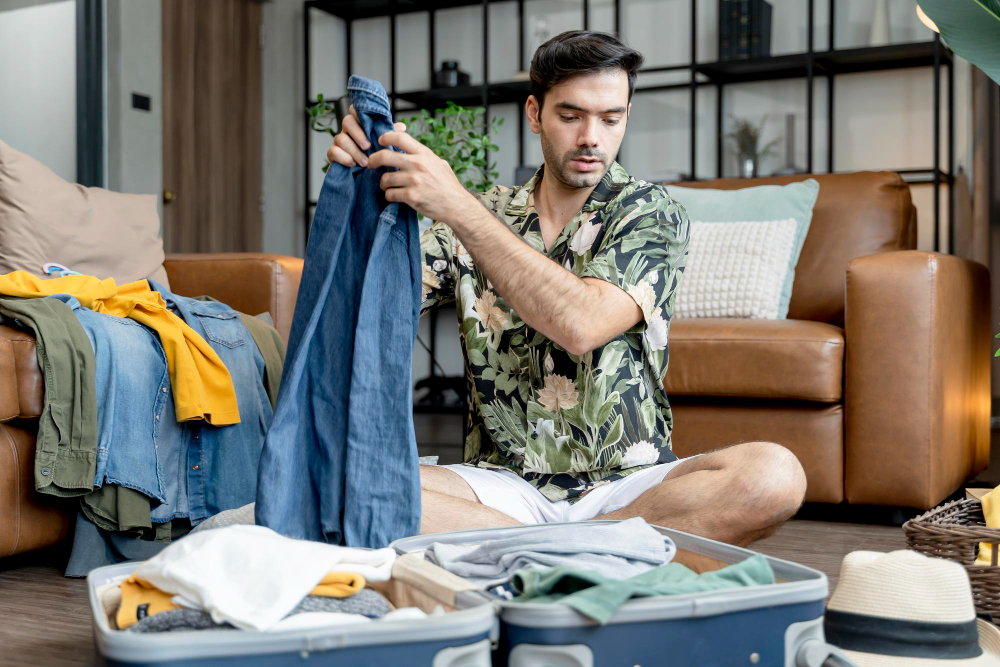
Navigating international travel requires careful planning, and one of the most critical elements of a successful journey is luggage management. Traveling across different time zones, climates, and transit systems becomes significantly easier when carrying less weight. Lightweight packing is not simply about leaving items behind; it is a strategic approach to selecting versatile, high-utility gear that maximizes comfort while minimizing bulk.
For a standard seven-day international trip, relying solely on a single carry-on bag and a personal item eliminates the risk of lost checked luggage, bypasses lengthy baggage claim waits, and provides the mobility needed to navigate crowded cobblestone streets, train stations, and staircases. By adopting a systematic approach to wardrobe selection, spatial optimization, and gear consolidation, anyone can master the art of packing smart and traveling light.
This comprehensive guide breaks down the most effective, research-backed lightweight packing hacks to streamline the preparation process and ensure a seamless travel experience.
1. The Core Philosophy of the Minimalist Capsule Wardrobe
The foundation of lightweight packing lies in the capsule wardrobe. Instead of packing individual, standalone outfits for each day of the week, the goal is to pack a curated selection of interchangeable pieces that coordinate seamlessly.
Mastering Color Coordination
A highly functional travel wardrobe revolves around a base of neutral colors—such as black, navy, gray, or olive. These shades do not show stains easily and can transition effortlessly from daytime sightseeing to evening dining. By limiting the color palette, every top will match every bottom, exponentially increasing the number of available outfit combinations. Accent colors or patterns can be introduced through small, lightweight accessories like scarves or ties, which take up minimal space.
Strategic Fabric Selection
The types of materials packed dictate both the weight of the luggage and the comfort of the traveler. Heavy materials like denim and thick cotton consume valuable bag space and take hours, if not days, to dry when washed on the go. Instead, prioritizing moisture-wicking performance fabrics is highly recommended.
- Merino Wool: Often considered the gold standard for travel, high-quality Merino wool regulates body temperature in both hot and cold climates and possesses natural antimicrobial properties. This allows a single Merino wool shirt to be worn multiple times without retaining odors.
- Synthetic Blends: Materials incorporating nylon, polyester, or elastane are exceptionally lightweight, resist wrinkles, and dry rapidly, making them ideal for quick sink-washing at a hotel.
2. Selecting the Ideal Luggage for International Transit
The success of a lightweight packing strategy heavily depends on the luggage itself. A heavy, hard-sided suitcase can consume up to a quarter of an airline’s carry-on weight allowance before a single item is placed inside.
Backpacks vs. Rolling Bags
When choosing the best travel bag, travelers must weigh mobility against convenience.
- Travel Backpacks: Soft-sided travel backpacks (typically ranging from 35 to 45 liters) maximize the allowable dimensions of overhead bins. They keep the hands free, which is essential when handling travel documents, holding handrails on public transit, or using a mobile device for navigation.
- Rolling Carry-Ons: Two-wheeled or four-wheeled spinner bags relieve back strain and excel in modern airports or hotels with smooth flooring. However, the internal hardware required for the handle and wheels reduces the overall packing capacity and adds base weight.
For a strict seven-day lightweight trip, a 40-liter soft-sided backpack offers the highest volume-to-weight ratio, ensuring strict international airline weight limits—often capped at 7 to 10 kilograms (15 to 22 pounds)—are not exceeded.
3. The 7-Day Wardrobe Formula
Overpacking often stems from packing for “what if” scenarios rather than realistic daily needs. For a week-long international trip, the 5-4-3-2-1 packing method provides a reliable, mathematical framework to prevent over-accumulation.
The 5-4-3-2-1 Packing Method
- 5 Pairs of Underwear and Socks: High-quality, breathable undergarments are essential. If necessary, these can be washed midway through the trip.
- 4 Tops: A mix of short-sleeve and long-sleeve options, depending on the destination’s climate. One top should be slightly more formal for evening wear.
- 3 Bottoms: This typically includes one pair of comfortable travel pants worn on the flight, one pair of shorts or a skirt for warmer days, and one versatile pair of tailored trousers or dark jeans.
- 2 Pairs of Shoes: Footwear is the most space-consuming category. The rule of thumb is to wear the heaviest, bulkiest pair of comfortable walking shoes on the airplane and pack one lightweight, versatile alternative—such as a sleek pair of flats, sandals, or packable loafers—in the luggage.
- 1 Outerwear Layer: A single, weather-appropriate jacket. For mixed climates, a lightweight, compressible rain shell combined with a thin insulating layer (like a micro-fleece or down vest) provides optimal warmth without bulk.
4. Advanced Packing Techniques and Spatial Optimization
Once the gear is selected, the method of placing it into the bag determines how much space is conserved and how easily items can be accessed during the trip.
The Rolling Method
Rolling clothes tightly, rather than folding them, serves two purposes: it squeezes out excess air to save space and significantly reduces hard creases and wrinkles. This technique is particularly effective for t-shirts, lightweight pants, and undergarments.
Utilizing Packing Organizers
To elevate luggage organization, investing in high-quality packing cubes is a transformative step. Packing cubes compartmentalize the bag, acting as miniature drawers. They prevent clothes from shifting during transit and allow a traveler to extract a single item without unpacking the entire bag.
- Compression Cubes: These feature a secondary zipper that forcefully compresses the clothing inside, eliminating dead air space and reducing the volume of the packed items by up to 30%.
- Strategic Placement: Heavy items, such as the secondary pair of shoes or an electronics organizer, should be placed at the bottom of the bag (near the wheels or the base of the backpack) to distribute weight evenly and maintain a low center of gravity.
Optimal Packing Methods Compared
| Packing Technique | Best Used For | Primary Advantage | Potential Drawback |
| Rolling | T-shirts, jeans, knitwear, activewear | Minimizes wrinkles and saves space | Can stretch out delicate fabrics over time |
| Standard Folding | Dress shirts, blazers, stiff trousers | Maintains traditional garment structure | Inefficient use of vertical space; causes creases |
| Compression Cubes | Bulky sweaters, multiple t-shirts, socks | Maximizes volume reduction in small bags | Can cause severe wrinkling in natural fibers |
| Bundle Wrapping | Mixed wardrobes with delicate items | Prevents wrinkles by wrapping around a core | Difficult to remove a single item quickly |
5. Managing Toiletries, Liquids, and Health Essentials
Toiletries are notorious for adding unnecessary weight and triggering security delays. Transitioning from liquid-based products to solid alternatives is a highly effective hack for the modern traveler.
Bypassing Liquid Restrictions
Navigating security checkpoints requires strict adherence to TSA’s 3-1-1 liquids rule and similar international aviation guidelines. To avoid the hassle of fitting tiny bottles into a single quart-sized bag, travelers can swap liquids for solid equivalents:
- Solid Shampoo and Conditioner Bars: These look like traditional bars of soap but are formulated for hair. They last longer than travel-sized liquids, cannot leak, and are entirely exempt from liquid restrictions.
- Toothpaste Tablets: Chewing a small, dry tablet creates a paste when mixed with water. They are lightweight and save valuable space in a toiletry kit.
- Deodorant and Sunscreen Sticks: Solid roll-ons provide the necessary hygiene and sun protection without eating into the liquid allowance.
Streamlining Health Kits
Carrying a massive first-aid kit is unnecessary for typical urban or resort destinations. Instead, packing basic travel health essentials in a small, flat ziplock bag ensures preparedness without bulk. A blister treatment, a few adhesive bandages, pain relievers, and any necessary personal prescriptions removed from heavy bottles and placed into a flat pill organizer will suffice for a standard seven-day itinerary.
6. Streamlining Electronics and Travel Accessories
In a digitally connected world, chargers, cables, and devices quickly accumulate into a tangled, heavy mess. Consolidating electronics is essential for maintaining a lightweight bag.
The Power of Multi-Use Devices
A smartphone effectively replaces a camera, an e-reader, a map, a translation dictionary, and a flashlight. Unless traveling for professional photography or specific business purposes, leaving heavy laptops, tablets, and DSLR cameras at home sheds several pounds from a carry-on.
Efficient Charging Solutions
Rather than packing a different charging block for every device, travelers should utilize a single, high-wattage multi-port charger. When paired with a reliable universal adapter, this setup ensures that phones, smartwatches, and wireless headphones can all be charged simultaneously from a single foreign outlet.
Furthermore, assessing the necessity of various international travel accessories is vital. Items like massive neck pillows can be replaced with inflatable versions that pack down to the size of a fist, and heavy travel wallets can be swapped for sleek, minimalist RFID-blocking sleeves.
7. Common Overpacking Pitfalls to Avoid
Even with the best strategies, certain habits frequently lead to overweight luggage. Being aware of these common pitfalls ensures the packing list remains strict and functional.
- Packing for the “Just in Case” Event: Packing an evening gown or a heavy suit for a hypothetical formal dinner that is not actually on the itinerary guarantees wasted space. If an unexpected event occurs, appropriate attire can often be purchased or rented locally.
- Bringing Full-Sized Toiletries: Assuming a hotel will not have basic soap or shampoo often leads to carrying heavy, redundant bottles. Most accommodations worldwide provide basic hygiene products.
- Overestimating the Need for Clean Clothes: The fear of wearing the same item twice drives travelers to pack 14 shirts for a 7-day trip. Embracing the reality that no one will notice repeated outfits—and utilizing a small amount of travel laundry detergent in a hotel sink—completely negates the need for excessive clothing.
Frequently Asked Questions (FAQ)
Q: How do I handle souvenirs if I only bring a carry-on?
A: A highly effective strategy is to pack a lightweight, foldable nylon duffel bag inside the main carry-on. If souvenirs are purchased during the trip, the foldable duffel can be expanded and used as a personal item or a checked bag on the return flight.
Q: What is the best way to do laundry in a hotel room?
A: The sink-wash method is standard for lightweight travelers. Fill the sink with warm water and a few drops of travel-friendly detergent. Wash the garments, rinse thoroughly, and then lay the wet clothing flat on a dry hotel towel. Roll the towel up tightly and press down to extract excess moisture before hanging the clothes to dry overnight.
Q: Are packing cubes really better than just folding clothes tightly?
A: Yes. While tight folding saves space, packing cubes provide necessary structure and organization. They allow travelers to compress their clothing and locate specific items immediately without disrupting the rest of the meticulously packed luggage.
Q: How do I pack heavy winter gear without checking a bag?
A: Cold-weather minimalist packing relies on thin, highly insulating layers rather than thick, bulky coats. Thermal base layers, a thin wool sweater, and a compressible down jacket provide immense warmth without taking up space. Furthermore, the heaviest items—such as winter boots and the main jacket—should always be worn on the airplane.
Q: What happens if my carry-on bag is weighed at the gate and is too heavy?
A: Many international carriers enforce strict carry-on weight limits. If a bag is slightly overweight, a quick hack is to transfer the heaviest items (like a power bank, a camera, or a book) into the pockets of a jacket worn on the body. Once past the gate, the items can be returned to the bag.
Conclusion
Mastering lightweight packing for a seven-day international trip is an exercise in intentionality and practical planning. By shifting the focus away from hypothetical scenarios and toward versatile, high-performance essentials, travelers can drastically reduce the physical and mental burden of heavy luggage. The transition to a minimalist travel approach requires discipline—adhering to a strict color palette, utilizing space-saving techniques like compression cubes, and swapping liquid toiletries for solid alternatives.
However, the rewards of this discipline are immediate. Navigating cobblestone streets effortlessly, bypassing airport baggage carousels, and possessing the flexibility to adapt to changing transit schedules provide a superior travel experience. By implementing these expert-backed hacks, any traveler can transform their packing routine from a stressful chore into a streamlined, highly efficient system, opening the door to a more liberating and enjoyable global journey.

