


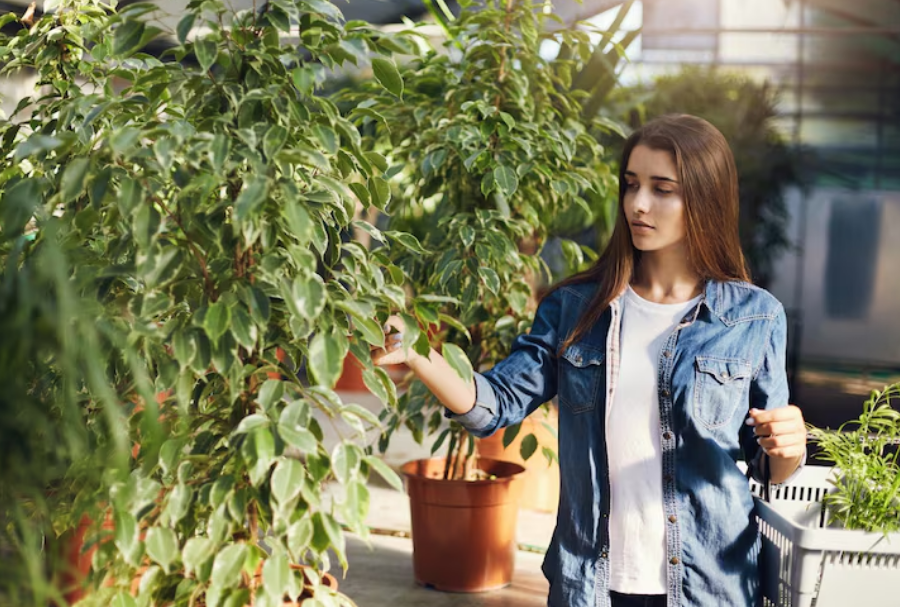
The paradigm of modern residential horticulture has increasingly shifted toward decentralized, high-density urban micro-agroecosystems. As urban living spaces condense, the traditional terrestrial garden is frequently replaced by the apartment balcony. For beginners, establishing a small balcony herb garden represents a critical and highly rewarding intersection of botany, structural engineering, and microclimate management. Cultivating aromatic herbs in restricted, elevated spaces allows individuals to integrate fresh, high-value culinary and medicinal crops directly into their daily routines. However, translating traditional agricultural practices to containerized, wind-swept, and often intensely heated balcony environments requires a nuanced understanding of container physics, substrate chemistry, and plant physiology.
This exhaustive report provides a foundational framework for initiating, maintaining, and optimizing a highly productive balcony herb garden. By dissecting the structural limitations of cantilevered architecture, the thermodynamics of potting matrices, and the specific physiological requirements of common botanical specimens, this document delivers actionable, objective intelligence for urban cultivators.
Structural Engineering and Spatial Dynamics of Elevated Gardens
The process of establishing a balcony garden begins long before substrate is acquired or seeds are sown. It fundamentally starts with a rigorous assessment of structural load limits, balcony safety regulations, and spatial orientation. Balconies are highly specific architectural elements subject to strict structural codes regarding weight capacity and moisture management.
Assessing Load-Bearing Capacities and Weight Distribution
Balconies are engineered to support specific live loads, which are typically measured in pounds per square foot (psf). Regulatory standards dictate that residential balconies are generally designed to accommodate a live load capacity ranging from 40 to 60 psf, accommodating normal use with people and standard patio furniture. Public or commercial-facing balconies may require capacities of 100 psf or greater. To contextualize this from an engineering standpoint, a standard residential balcony measuring 100 square feet with a 60 psf rating possesses a theoretical maximum distributed load capacity of up to 6,000 pounds.
However, the introduction of agricultural containers drastically alters the load distribution. Horticultural substrates are exceptionally heavy, particularly when saturated with water. A single cubic foot of saturated potting matrix can weigh upwards of 40 to 50 pounds. When cultivating deep-rooted herbs or small fruiting shrubs in large five-gallon to ten-gallon receptacles, the point load—the concentration of weight on a specific localized area—can exceed safe structural thresholds if not carefully distributed. Furthermore, repeated watering cycles introduce the risk of moisture penetration into the balcony decking. Continual exposure to runoff and clogged drainage gutters can lead to the deterioration of waterproofing membranes, subsequent rotting of wooden joists, or the oxidation of reinforcing steel within concrete structures. This vulnerability has prompted stringent inspection laws for multifamily dwellings, such as California’s SB326 and SB721, which mandate regular structural safety assessments.
To mitigate structural risks, urban cultivators must utilize lightweight container materials such as fiberglass, high-density polyethylene, or breathable fabric grow bags rather than solid concrete, stone, or thick-walled ceramic pots. Additionally, elevating containers on specialized drainage risers prevents water from pooling directly on the structural slab, thereby preserving the integrity of the balcony surface while ensuring optimal root aeration for the plants. Distributing the heaviest containers near the load-bearing exterior wall of the building, rather than along the cantilevered outer railing, further preserves structural stability.
Vertical Spatial Optimization Techniques
Given the horizontal spatial constraints inherent to urban balconies, vertical spatial optimization is a vital agronomic strategy. Utilizing the vertical axis increases the available photosynthetic surface area without expanding the structural footprint or exceeding point load limitations on the distal edge of the balcony overhang.
Vertical integration can be achieved through various mechanical systems and do-it-yourself constructions. One effective method involves utilizing wall-mounted wainscoting panels equipped with locking fasteners. These provide secure, modular anchoring points for small pots containing shallow-rooted specimens such as thyme or creeping oregano, allowing the gardener to arrange plants dynamically based on aesthetic preference and light availability. Freestanding vertical garden towers with internal water reclamation systems offer highly efficient moisture distribution, minimizing evaporative loss while accommodating dozens of individual plants within a minimal footprint.
For renters seeking non-permanent modifications, textile pockets constructed from heavy-duty landscape weed barrier fabric offer a lightweight, highly functional solution. This involves folding the fabric into evenly spaced pleats, pinning the edges, and utilizing a sewing machine to stitch secure lateral pockets. The fabric can then be suspended from a copper pipe using sturdy cotton rope, creating a modular, hanging herb wall that allows for profound root aeration while maximizing limited sunlight. When designing vertical arrays, it is biologically imperative to place drought-tolerant, sun-seeking species at the uppermost tiers, while positioning moisture-loving, shade-tolerant species at the base to capture runoff and benefit from the shadows cast by the upper canopy.
Microclimate Mapping: Light, Temperature, and Urban Environmental Factors
Balconies function as highly specialized microclimates, often experiencing more extreme environmental fluctuations than adjacent ground-level gardens. The surrounding architectural materials—concrete, glass, and steel—possess high thermal mass, absorbing solar radiation throughout the day and radiating it back into the balcony space, creating localized urban heat islands.
Sun Mapping and Photosynthetically Active Radiation
Before selecting botanical specimens, it is necessary to conduct a rigorous analysis of the balcony’s solar exposure to determine the availability of Photosynthetically Active Radiation (PAR). The cardinal direction a balcony faces dictates the duration and intensity of sunlight the plants will receive.
South-facing balconies receive the highest duration and intensity of direct sunlight throughout the day, making them optimal for robust, heat-loving Mediterranean species such as rosemary, sage, and basil. East-facing balconies receive gentle, cooler morning irradiance, which is excellent for drying overnight dew and reducing fungal pathogen risks without subjecting the plants to the scorching afternoon sun. This orientation is ideal for delicate herbs like cilantro and parsley. West-facing balconies endure intense, high-temperature afternoon exposure, which can induce rapid evapotranspiration and severe drought stress, necessitating rigorous watering schedules. North-facing balconies receive mostly diffuse, indirect light, restricting cultivation to shade-tolerant species like mint and lemon balm.
Thermodynamics and Extreme Heat Mitigation
In regions experiencing intense summer heat waves, such as urban centers in India where ambient summer temperatures frequently exceed 45°C (113°F), balcony plants face profound physiological stress. When temperatures surpass optimal biological thresholds, herbaceous plants close their stomata—microscopic pores located on the leaf surface—to prevent catastrophic moisture loss. However, this defense mechanism simultaneously halts the uptake of carbon dioxide, effectively ceasing photosynthesis, and stops transpirational cooling, causing the internal leaf temperature to spike. This can quickly lead to cellular degradation, protein denaturation, and visual tissue necrosis, commonly observed as sunburn.
Protecting elevated agroecosystems from extreme thermal stress requires multifaceted intervention. The installation of woven high-density polyethylene shade nets can significantly alter the microclimate. A 40% shade cloth intercepts a substantial portion of incident ultraviolet and infrared radiation, lowering the ambient temperature directly above the plant canopy by up to 10 degrees while still permitting sufficient PAR for metabolic function. Furthermore, shade nets reduce wind velocity, which in turn lowers the rate of convective evaporation from the substrate. Installing such shade structures often requires navigating local municipal or housing society regulations; in many high-rise condominium associations, residents must consult architectural guidelines or obtain formal No Objection Certificates (NOCs) to ensure the shades do not disrupt the external building façade or pose structural hazards. Seeking guidelines provides excellent baseline strategies for managing excessive heat stress in container gardens.
Another highly effective, non-structural thermal management technique is the double-potting method. Solar radiation striking the side of a plastic or ceramic container can elevate the internal soil temperature on the sunward side to lethal levels, sometimes approaching 180°F (82°C) in extreme desert climates, which instantly kills the fine root hairs responsible for water and nutrient absorption. By placing the primary cultivation pot inside a slightly larger secondary decorative container, an insulative air gap is created. This gap acts as a thermal buffer, intercepting the direct radiant heat and preserving the structural integrity of the rhizosphere.
Winter Preparations and Cold Tolerance
Conversely, urban environments must also prepare for seasonal cold shifts. While the thermal mass of a building can offer a microclimatic advantage—radiating stored heat during cold nights—balcony plants are uniquely vulnerable to freezing temperatures because their root systems are suspended above ground, lacking the vast, insulating thermal mass of the earth. Tropical and tender perennials can suffer severe cellular chill injury at temperatures as high as 45°F (7°C).
During unpredictable winter months, wrapping containers in horticultural fleece provides immediate insulation. Grouping pots closely together allows the plants to share localized humidity and thermal mass. Moving the most vulnerable species indoors or flushing them directly against the building’s exterior wall helps to mitigate the impact of freezing winds.
Substrate Chemistry and Container Physics
The success of a containerized herb garden is inextricably linked to the physical and chemical properties of the growing medium and the vessel that holds it. A frequent error among novice urban agriculturalists is the utilization of native topsoil excavated from ground-level gardens. In a container environment, traditional garden soil rapidly compacts under the weight of repeated watering, leading to a severe reduction in macroporosity, which induces root hypoxia (oxygen starvation) and promotes anaerobic bacterial proliferation.
The Formulation of Horticultural Potting Matrices
Optimal container substrates are carefully engineered soilless matrices designed to balance water-holding capacity with rapid gravitational drainage and gas exchange. A high-quality matrix typically consists of an organic base fraction combined with inorganic aggregates.
The organic fraction often relies on sphagnum peat moss or coconut coir. Peat moss provides exceptional moisture retention and a slightly acidic pH profile, which is highly favorable for the cultivation of many medicinal and culinary herbs. However, due to the environmental concerns surrounding the slow regeneration rates of natural peat bogs, coconut coir—a byproduct of the coconut industry—has emerged as a highly effective, sustainable alternative. Coir demonstrates superior re-wetting capabilities, meaning it does not become as aggressively hydrophobic as peat when completely dried out, and it possesses a high cation exchange capacity (CEC), allowing it to hold positively charged nutrient ions and release them slowly to the plant roots.
The inorganic fraction is crucial for maintaining necessary root aeration. Perlite, a siliceous volcanic glass that expands rapidly when subjected to high heat, introduces critical air pockets into the matrix, preventing physical compaction and facilitating the free flow of oxygen to the rhizosphere. Vermiculite, a hydrous phyllosilicate mineral that undergoes a similar heat-expansion process, retains more moisture and nutrients than perlite, making it ideal for herbs that demand consistent, uninterrupted hydration, such as mint and cilantro. While some commercial potting blend manufacturers incorporate expanded polystyrene beads to reduce manufacturing and shipping costs, this practice provides absolutely no agronomic value, compromises the structural integrity of the root zone, and introduces microplastics into the food cultivation ecosystem. Incorporating high-quality compost or worm castings (vermicompost) at a ratio of approximately 20% by volume introduces beneficial microbial life and a spectrum of micronutrients without drastically increasing the bulk density of the mixture.
Container Selection and Hydrological Dynamics
The physical composition of the chosen container dictates the hydrological cycle within the root zone. Terracotta vessels are highly porous and breathable, allowing water vapor to pass directly through the walls. This evaporative process slightly cools the substrate—a highly beneficial trait in high-temperature microclimates—but necessitates a significantly higher frequency of irrigation, as the soil will dry out rapidly. Plastic and resin containers are entirely impermeable, retaining moisture for extended durations. While this reduces manual watering demands, it drastically increases the risk of soil saturation, leading to fungal diseases and root rot if the basal drainage holes are inadequate.
Fabric containers, commonly referred to as grow bags, represent a sophisticated advancement in urban container agronomy. Constructed from spun-bonded, non-woven polypropylene, these vessels allow maximum oxygen penetration from all sides. When a lateral root tip reaches the fabric barrier, exposure to the ambient air dehydrates the apical meristem, effectively “air-pruning” the root. This biological response prevents roots from circling the inside of the container and forces the plant to generate a dense, highly branched secondary root system, dramatically increasing nutrient uptake efficiency and overall plant vigor.
Botanical Selection: A Granular Analysis of Culinary Herbs
Selecting the appropriate botanical taxa is crucial for aligning the garden’s output with the specific constraints of the balcony’s microclimate and the practitioner’s culinary preferences. Herbs generally fall into distinct categories based on their geographic origins and evolutionary adaptations. Understanding these origins provides the blueprint for their cultivation requirements. The notes that understanding the specific thermal and moisture requirements of high-value crops is essential for maximizing yield in diverse micro-zones.
Drought-Tolerant Mediterranean Taxa
Species originating from the rocky, arid Mediterranean basin have evolved specific morphological traits to withstand high light intensity, intense heat, and nutrient-poor, dry soils. These plants require exceptional drainage and are highly susceptible to root pathogens if subjected to persistent moisture.
- Rosemary (Rosmarinus officinalis): A woody perennial featuring needle-like leaves with a drastically reduced surface area and a thick, waxy cuticle that minimizes transpirational water loss. Rosemary thrives in full, direct sun and tolerates significant substrate desiccation between watering intervals. Because of its woody nature, it is often best purchased as a young nursery seedling rather than grown from seed, which has notoriously low and slow germination rates.
- Thyme (Thymus vulgaris): A low-growing, highly aromatic perennial. Its diminutive leaves are densely packed with volatile oil glands. Thyme requires highly porous soil, often benefiting from the addition of coarse sand or extra perlite to the potting matrix to ensure rapid drainage. It is excellent for planting at the front edges of containers where it can spill over the sides.
- Oregano (Origanum vulgare): A robust, trailing herb that exhibits vigorous growth in hot, dry conditions. Oregano develops its most potent flavor profiles when subjected to slight drought stress, which forces the plant to concentrate its defensive essential oils. Like mint, it can spread quickly, but its trailing habit makes it highly suitable for hanging baskets or vertical wall planters.
- Sage (Salvia officinalis): Characterized by its soft, trichome-covered (hairy) leaves, which reflect intense solar radiation and trap a microscopic boundary layer of humid air near the leaf surface. This physiological adaptation protects the foliage from hot, dry urban winds. Sage prefers full sun and moderate watering, demanding excellent soil aeration.
Moisture-Dependent and Temperate Taxa
Herbs native to temperate environments or subtropical woodland margins require consistently moist substrates and are generally more vulnerable to severe heat and acute drought.
- Basil (Ocimum basilicum): A tender annual that demands high ambient temperatures, profound sunlight exposure, and consistent, deep hydration. Basil possesses a high transpiration rate and will display an immediate, dramatic loss of turgor pressure (wilting) if the substrate dries completely. Pinching off the terminal flower buds encourages the plant to continually produce lush, vegetative growth rather than setting seed.
- Mint (Mentha spp.): An exceptionally vigorous perennial noted for its aggressive rhizomatous root habit. Mint requires continuous moisture and performs exceptionally well in partial shade, making it ideal for North or East-facing balconies. Due to its invasive root architecture, mint must be strictly isolated in dedicated, standalone containers to prevent it from outcompeting, strangling, and suffocating adjacent flora in a shared planter.
- Cilantro/Coriander (Coriandrum sativum): A cool-season annual with a notoriously short vegetative lifecycle. When exposed to high heat or long summer photoperiods, cilantro rapidly undergoes a premature transition to the reproductive phase—a process known as bolting—which renders the delicate foliage bitter and tough. Successive sowing of seeds every two to three weeks in a partially shaded sector of the balcony is required for a continuous, season-long harvest.
- Parsley (Petroselinum crispum): A biennial herb that develops a surprisingly long taproot. It requires deep containers (at least 8 to 10 inches) to accommodate its vertical root structure and prefers rich, well-aerated, and consistently damp soil. Parsley seeds have a naturally tough outer coating and can take several weeks to germinate, making overnight soaking prior to planting a highly recommended practice.
- Chives (Allium schoenoprasum): A resilient perennial member of the onion family. Chives grow in dense clumps and tolerate a wide range of lighting conditions, from full sun to partial shade. They are relatively drought-tolerant but perform best with consistent moisture. Regular harvesting of the outer tubular leaves encourages fresh, tender growth from the center of the basal rosette.
Comparative Table of Optimal Growing Parameters
To facilitate the architectural planning of a mixed-container garden, the physiological requirements of these common herbs can be stratified for easy reference.
| Botanical Name | Common Name | Photoperiod/Light Requirement | Substrate Moisture Tolerance | Life Cycle |
| Ocimum basilicum | Basil | Full Sun (6-8+ hours) | Consistently Moist | Tender Annual |
| Rosmarinus officinalis | Rosemary | Full Sun (6-8+ hours) | Allow profound drying | Perennial |
| Thymus vulgaris | Thyme | Full Sun (6-8+ hours) | Allow profound drying | Perennial |
| Mentha spp. | Mint | Partial Shade to Full Sun | Consistently Moist | Perennial |
| Coriandrum sativum | Cilantro | Partial Shade | Consistently Moist | Cool-Season Annual |
| Petroselinum crispum | Parsley | Partial Shade to Full Sun | Consistently Moist | Biennial |
| Origanum vulgare | Oregano | Full Sun (6-8+ hours) | Allow moderate drying | Perennial |
| Allium schoenoprasum | Chives | Partial Shade to Full Sun | Allow moderate drying | Perennial |
Ecological Synergy: Companion Planting and Allelopathy
The implementation of polyculture—the cultivation of multiple diverse species in close proximity—mimics the resilience of natural ecosystems. In the confined space of a balcony container, companion planting leverages the biological interactions between different taxa to maximize space utilization, naturally deter herbivorous insects, and improve overall crop vigor.
These synergistic benefits are largely driven by the emission of volatile organic compounds (VOCs) and specific root exudates. For instance, highly aromatic herbs mask the chemical signatures of vulnerable plants, confusing the olfactory receptors of pest insects. Planting basil near tomatoes or peppers is a classic companion strategy; the strong scent of the basil acts to deter thrips and hornworm moths, while also purportedly improving the flavor profile of the adjacent fruiting vegetables. Similarly, the pungent aroma of rosemary serves as a natural deterrent against the cabbage moth, making it an excellent companion for any brassicas cultivated in larger balcony pots.
Furthermore, certain plants exhibit allelopathy, releasing specific biochemicals into the substrate that inhibit the germination or growth of competing species. Fennel (Foeniculum vulgare), for example, is notoriously allelopathic and should generally be cultivated in its own isolated container, as its root exudates can stunt the growth of neighboring herbs like cilantro and tomatoes.
Integrating flowering herbs into the structural matrix serves a critical ecological function for the balcony environment. Utilizing plants like sweet alyssum (Lobularia maritima), calendula, or nasturtium alongside culinary herbs attracts beneficial predatory insects, such as hoverflies, lady beetles, and parasitoid wasps. Nasturtiums act as a highly effective “trap crop,” naturally drawing destructive aphids away from valuable culinary herbs. The Farmers’ Almanac provides extensive literature on historical and research-backed companion pairings.
Optimal Companion Planting Configurations
| Primary Herb | Compatible Companions | Incompatible Species | Biological Rationale |
| Basil | Tomatoes, Peppers, Parsley, Oregano | Sage, Rue | Basil masks the scent of host plants from thrips and destructive moths. |
| Rosemary | Thyme, Sage, Beans, Cabbage | Basil, Cilantro | Thrives in shared dry, nutrient-poor substrates. Repels common cabbage pests. |
| Mint | Tomatoes, Cabbage, Peas | Chamomile, Parsley | Volatile oils deter flea beetles. Must be physically contained due to aggressive root expansion. |
| Cilantro | Basil, Mint, Yarrow | Fennel, Rosemary | Attracts predatory insects. Requires vastly different moisture levels than Mediterranean herbs. |
| Parsley | Asparagus, Tomatoes, Chives | Mint, Lettuce | Deep taproot draws up moisture from the lower container without competing with shallow-rooted alliums. |
Detailed companion frameworks derived from agro-ecological research and the University of California Master Gardener Program guidelines.
Irrigation Dynamics and Nutritional Management
The hydrological management of elevated containers requires a precise, scientific balance; both total desiccation and persistent hyper-saturation represent lethal threats to herbaceous plants. Overwatering remains the primary cause of mortality in novice urban container gardens.
The Soil-Plant-Atmosphere Continuum
Water moves through a plant driven by the transpiration stream—a continuous gradient of negative pressure originating from the evaporation of water through the leaf stomata. When the potting matrix becomes entirely dry, capillary action ceases, and the roots can no longer extract moisture to replace what is lost to the atmosphere, leading to systemic cellular collapse. Conversely, constant saturation displaces vital oxygen within the substrate’s macropores. Without ambient oxygen, roots cannot undergo necessary cellular respiration, halting active nutrient transport and causing the roots to rot and decay.
The standard metric for irrigation in containers is the tactile moisture assessment, commonly known as the “finger test.” The substrate should be allowed to dry to a depth of approximately one to two inches before rehydration is initiated. When irrigation is applied, it should be delivered deeply and slowly until water flows freely from the basal drainage apertures. This ensures the entire soil profile is wetted and prevents the accumulation of dry, hydrophobic pockets deep within the container. Drip irrigation systems utilizing micro-emitters provide a highly precise, automated alternative, delivering consistent moisture directly to the root zone while keeping the delicate foliar canopy dry, significantly reducing the incidence of fungal pathogens.
Nutritional Chemistry and Fertilizer Application
Because containerized substrates are completely isolated from the natural nutrient cycling of the terrestrial earth, supplementary fertilization is necessary. However, the fertilization protocols for aromatic herbs differ substantially from those used for heavy-fruiting vegetables like tomatoes or peppers.
Herbs cultivated for their essential oils generally require low to moderate fertility. The application of high-nitrogen synthetic fertilizers stimulates excessive, rapid vegetative growth. While this produces large, lush leaves, the rapid cellular expansion drastically dilutes the concentration of volatile terpenoids and phenols, resulting in foliage that is visually impressive but structurally weak and aromatically deficient. Furthermore, the continuous evaporation of water from containers can lead to the rapid accumulation of unused synthetic fertilizer salts, causing osmotic stress and severe chemical burn to the root margins.
The optimal approach utilizes balanced, water-soluble organic formulations—such as liquid kelp, fish emulsion, or humic acid derivatives—diluted to half the manufacturer’s recommended strength and applied on a bi-weekly basis during the active vegetative growing season. These organic inputs rely on microbial mineralization to become plant-available, providing a steady, low-dose nutrient stream that supports robust growth without sacrificing essential oil density.
Integrated Pest and Disease Management (IPM)
High-density urban microclimates are not immune to pest infestations; in fact, the lack of natural predatory pressures on isolated high-rise balconies can lead to the rapid, unchecked proliferation of phytophagous (plant-eating) insects and pathogenic fungi. Successful mitigation relies on Integrated Pest Management (IPM), a systematic approach that prioritizes environmental controls, physical barriers, and biological interventions over the immediate application of broad-spectrum synthetic biocides. Guidelines from the database provide excellent foundational principles for organic greenhouse and balcony management.
Entomological Threats and Organic Controls
- Aphids: Soft-bodied, pear-shaped insects that congregate in dense colonies on the apical meristems and undersides of young leaves. They insert needle-like stylets into the vascular phloem to extract nutrient-rich sap. Aphids excrete a sugary, sticky byproduct known as honeydew, which coats the lower leaves and serves as an ideal substrate for sooty mold—a black fungus that severely inhibits photosynthesis. Control primarily relies on forceful water sprays to mechanically dislodge the insects, followed by the topical application of insecticidal potassium salts (insecticidal soap), which dissolve the insect’s protective cellular membrane.
- Mealybugs: Similar in feeding habit to aphids but heavily protected by a dense, hydrophobic white waxy secretion. This wax renders standard aqueous insecticide sprays highly ineffective, as the liquid simply beads off the insect’s armor. Physical removal using cotton swabs dipped in isopropyl alcohol degrades the wax barrier on contact. In severe infestations, introducing specific biological predators such as the Cryptolaemus montrouzieri (often referred to as the mealybug destroyer lady beetle) provides highly effective, chemical-free suppression. The outlines strict sanitation as the primary defense against mealybug outbreaks in contained environments.
- Spider Mites: Microscopic arachnids that thrive in exceptionally hot, arid balcony microclimates. They puncture individual plant cells to feed, creating a stippled, chlorotic, and faded appearance on the foliage, often accompanied by very fine silk webbing stretching between the stems and leaves. Elevating the relative humidity around the plant canopy via regular misting and utilizing high-quality horticultural oils (such as cold-pressed neem oil containing the active compound azadirachtin) disrupts their rapid reproductive cycle.
- Fungus Gnats: Small, dark dipteran flies that colonize consistently saturated, organic-rich potting media. While adult gnats flying around the soil surface are primarily a nuisance, their soil-dwelling larvae actively graze on delicate root hairs and organic matter, severely stunting plant development and providing open entry wounds for secondary soil-borne pathogens. Allowing the top two inches of the substrate to dry entirely between watering cycles eliminates the moist habitat required for larval survival. The University of Minnesota Extension highlights the importance of environmental modification over chemical application for gnats.
Phytopathology and Fungal Mitigation
Pathogenic fungi represent a significant threat to densely packed balcony gardens, where convective airflow may be restricted by architectural walls or glass railings.
- Powdery Mildew: An obligate parasite that manifests as a distinct white, talcum-like coating on the upper leaf surfaces. Unlike many fungal pathogens, powdery mildew spores do not require free water to germinate and actually thrive in high-humidity, low-rainfall conditions typical of heavily shaded balconies. Mitigation involves increasing the physical spatial distance between pots to improve convective airflow, avoiding overhead watering, and utilizing prophylactic foliar sprays of potassium bicarbonate to alter the leaf surface pH.
- Basil Downy Mildew (Peronospora belbahrii): A devastating, aggressive oomycete pathogen specifically targeting basil cultivars. It presents initially as diffuse, irregular yellowing on the upper leaf surface, followed quickly by the development of dark, purplish-grey sporulation on the abaxial (underside) surface. Once infected, the plant must be immediately excised, bagged, and destroyed; the spores spread rapidly on the wind. The most effective countermeasure is cultivating genetically resistant hybrid cultivars developed specifically to withstand the pathogen. The Cornell University Cooperative Extension provides extensive diagnostic resources for identifying downy mildews in urban settings.
- Root Rot (Phytophthora and Fusarium spp.): Lethal soil-borne pathogens that thrive in anaerobic, waterlogged substrates. The pathogens attack the root cortex, destroying the plant’s vascular system. This causes the plant to display profound drought-like symptoms (wilting, yellowing, and collapse) despite the soil being visibly wet, because the destroyed roots can no longer absorb water. Utilizing highly porous substrates, ensuring container drainage is unobstructed, and strictly adhering to the “finger test” before watering are the only effective preventative measures.
Harvesting Physiology and Post-Harvest Processing
The act of harvesting is not merely the extraction of a yield; it is a critical horticultural intervention that directly influences the plant’s architectural development, health, and longevity. Proper harvesting leverages the biological principle of apical dominance.
The Physiology of Pruning and Harvesting
The terminal bud at the apex of a plant stem produces auxins, which are specialized plant hormones that travel downward and suppress the development of lateral (side) buds. When the terminal bud is excised—a process known as pinching or tip pruning—the downward flow of auxin is interrupted. This biological shift releases the lateral buds from dormancy, prompting them to grow outward and resulting in a much denser, bushier plant morphology.
For upright, branching herbs such as basil, mint, and oregano, harvesting should always occur just above a leaf node (the specific point where leaves attach to the main stem). Cutting arbitrarily between nodes leaves a barren, headless stem section that will inevitably die back, turn black, and become a prime vector for fungal disease. Clump-forming herbs, such as chives, parsley, and cilantro, grow from a central basal rosette near the soil line. These should be harvested by cutting the oldest, outermost stems completely down to the substrate line, allowing the immature central leaves to receive sunlight and continue developing.
The timing of the harvest profoundly impacts the phytochemical quality of the yield. Essential oils reach their absolute maximum concentration in the leaf tissue during the early morning hours, immediately after the overnight dew has evaporated but before the heat of the midday sun volatilizes and dissipates the sensitive aromatic compounds. Furthermore, herbs intended for long-term storage or culinary processing possess the most intense flavor profiles when harvested just as flower buds begin to appear, but strictly before anthesis (the physical opening of the flowers). Once flowering commences, the plant dramatically redirects its metabolic energy away from foliar essential oil production and into reproductive seed development, often resulting in bitter, tough foliage. Detailed physiological harvesting guides can be referenced through.
Post-Harvest Preservation Mechanics
To extend the utility of the harvest well beyond the active growing season, precise preservation techniques are required to stabilize and capture the volatile aromatic compounds.
- Desiccation (Air Drying): The controlled reduction of intracellular water content naturally inhibits microbial degradation and mold growth. Herbs should be dried immediately after harvest in a dark, well-ventilated environment. Exposure to direct ultraviolet light during the drying process degrades chlorophyll and destroys delicate volatile oils, rendering the herb brown, brittle, and flavorless. Air-drying in small, hanging bundles or utilizing low-temperature mechanical dehydrators (set below 40°C or 105°F) yields optimal results for robust herbs like oregano, thyme, and rosemary.
- Cryogenic Preservation (Freezing): Herbs possessing high water content and delicate leaf structures, such as cilantro, dill, and basil, lose significant flavor and structural integrity when subjected to traditional desiccation. These specimens are far better preserved by freezing. Placing whole, dry stalks spread evenly across baking sheets to undergo rapid, individual freezing prevents cellular maceration and clumping. Once fully frozen, they can be transferred to airtight receptacles for long-term storage.
- Lipophilic Extraction (Double-Boiler Oil Infusion): Because plant essential oils are inherently hydrophobic and lipophilic (fat-soluble), they can be highly efficiently extracted into culinary carrier oils. The double-boiler method represents a safe, controlled, and rapid extraction protocol compared to solar infusion. Dried herbs are combined with a stable carrier oil (such as extra virgin olive oil or fractionated coconut oil) in a glass or stainless-steel vessel suspended over a saucepan of gently simmering water. This indirect, low-heat application—simmering very gently for 2 to 3 hours—prevents the thermal degradation of the oil and protects the delicate phytochemicals. A standard ratio of 1 cup of dried herbs to 2 cups of oil provides a robust infusion. It is strictly recommended to use thoroughly dried or intensely dry-wilted herbs for this process to eliminate the introduction of raw water into the oil, which could harbor dangerous Clostridium botulinum spores in an anaerobic environment. After cooling, the oil is strained through fine cheesecloth and stored in a dark glass bottle.
Frequently Asked Questions (FAQ) Regarding Balcony Herb Cultivation
Q: Why are the lower leaves of my containerized herbs turning uniformly yellow and dropping off? A: Uniform chlorosis (yellowing) that begins specifically at the oldest, lowest leaves and moves upward is the primary clinical symptom of a nitrogen deficiency, which is very often exacerbated by persistent overwatering. When the potting substrate is constantly saturated, oxygen is displaced from the soil pores, inducing severe root hypoxia. The roots subsequently fail to synthesize ATP and cannot actively absorb or transport mobile macronutrients like nitrogen up the xylem tissue. In response to this starvation, the plant cannibalizes nitrogen from its older, lower leaves to support the survival of the critical apical new growth. Remediation requires immediately withholding irrigation until the substrate achieves adequate aeration (drying out the top two inches) and subsequently applying a highly dilute, balanced liquid organic fertilizer.
Q: What physiological process causes my herbs to become excessively tall, weak, and “leggy,” and how can this be reversed? A: The phenomenon of “legginess”—technically termed etiolation—is a direct photomorphogenic response to inadequate Photosynthetically Active Radiation (PAR). When a plant detects insufficient light levels, it rapidly elongates its internodes (the stem segments between leaves) in an evolutionary attempt to outcompete surrounding flora and reach the light canopy. This biological mechanism results in weak, spindly stems, pale foliage, and drastically reduced essential oil production. Reversing this condition requires immediately increasing the plant’s light exposure (relocating the container to a South or West-facing PAR zone) and aggressively pruning the apical stems down to lower leaf nodes. This aggressive pruning will stimulate dormant lateral branching and gradually restore the plant’s dense structural integrity.
Q: How does one properly manage perennial herbs that have completely filled their containers and stopped growing? A: When a vigorous perennial herb, such as rosemary, mint, or oregano, exhausts the physical spatial volume of its container, the roots begin to circle the inner perimeter, forming an impenetrable, hydrophobic mat. This condition is known as becoming “root-bound”. This dense root mat drastically reduces the substrate’s capacity to retain moisture and absorb nutrients, leading to chronic drought stress, rapid yellowing, and stunted growth despite frequent watering efforts. Resolution involves carefully extracting the entire root ball from the pot. Utilizing a sterilized horticultural blade or pruning shears, the gardener must physically slice vertically through the circling roots in three or four places around the perimeter. This mechanical action breaks the circling pattern and stimulates the generation of new, outward-growing lateral roots. Finally, the specimen must be repotted into a vessel approximately two inches larger in diameter, filling the void with fresh, nutrient-dense potting substrate.
Q: What are the engineering parameters for safely establishing heavy planters on older, aging apartment balconies? A: Urban cultivators must strictly adhere to structural guidelines to prevent catastrophic architectural failure. An older residential balcony may only be engineered for a live load of 40 to 60 pounds per square foot (psf). Large ceramic or concrete planters filled to the brim with wet, saturated garden soil create massive point loads that can easily exceed localized structural limits. Safety protocols dictate utilizing lightweight fiberglass, resin, or fabric containers. The soil must be amended with high ratios of lightweight aggregates like perlite or coco coir to reduce bulk density. Heavy pots should be distributed tightly against the load-bearing exterior wall of the building rather than placed along the cantilevered outer edge or railing. Additionally, practitioners must routinely inspect the balcony surface for concrete micro-fractures, rusted fasteners, or water pooling caused by clogged drainage paths.
Q: How do ambient urban temperatures and concrete infrastructure affect the overwintering of perennial herbs? A: While urbanization drastically increases summer temperatures via the heat island effect, the massive thermal mass of concrete buildings can actually provide a slight microclimatic advantage during the winter, keeping balconies slightly warmer than exposed, ground-level terrain. Hardy perennials like thyme, oregano, and chives will readily endure sub-freezing temperatures by entering a state of natural biological dormancy. However, the roots of containerized plants are uniquely exposed; they lack the vast, geothermal insulative mass of the earth. Therefore, wrapping the exterior of the containers in horticultural fleece or bubble wrap, grouping pots tightly together to share thermal mass, and moving them directly against the radiant heat of the building’s exterior wall prevents the root zone from experiencing lethal, rapid freeze-thaw cycles. Tender perennials, such as rosemary and certain mints, may still require careful transition to an indoor, sunny windowsill environment if ambient nighttime temperatures consistently drop below critical frost thresholds.
Conclusion
The transition from traditional, terrestrial agriculture to high-density, elevated balcony cultivation represents a sophisticated, highly rewarding integration of horticultural science, environmental management, and structural awareness. Cultivating herbs within the restricted parameters of an urban balcony requires the practitioner to meticulously manage the physical properties of engineered substrates, monitor and adjust localized thermal dynamics, and intervene strategically with harvesting techniques that manipulate plant hormones.
By prioritizing well-aerated, lightweight potting matrices over heavy, compacting garden soil, urban cultivators protect both the physiological health of the root system and the critical structural integrity of the balcony architecture. Aligning specific botanical taxa—whether they are drought-resistant Mediterranean perennials like rosemary and thyme, or moisture-dependent temperate annuals like basil and cilantro—with the balcony’s unique solar orientation maximizes photosynthetic efficiency while minimizing physiological stress. Furthermore, adopting organic, integrated pest management protocols, observing strategic companion planting synergies, and utilizing precise harvesting techniques ensures that these elevated micro-agroecosystems remain highly productive, resilient, and ecologically sound year after year. Through the rigorous application of these agronomic principles, the urban cultivator can successfully transform a sterile, concrete overhang into a lush, biologically diverse, and sustainable agricultural asset that enriches both the local environment and the culinary table.

