


Eating well on a budget is not about sacrificing nutrition or flavor. It is about planning strategically, understanding how food systems work, and using simple, affordable ingredients in smarter ways. A well-structured weekly meal plan can dramatically reduce grocery bills, cut food waste, and improve overall nutrition without requiring extreme couponing or complicated recipes.
According to guidance from organizations like United States Department of Agriculture and World Health Organization, balanced eating does not require expensive specialty foods. Core staples such as whole grains, legumes, seasonal vegetables, eggs, and modest portions of protein can fully support a healthy lifestyle when combined thoughtfully.
This guide provides a complete framework for building a budget-friendly weekly meal plan, including grocery strategies, preparation systems, portion planning, cost comparisons, and a practical 7-day sample plan. Every section is designed to help households reduce food spending without compromising nutrition or satisfaction.
Why Weekly Meal Planning Saves More Than Just Money
A weekly plan reduces impulse purchases, limits takeout spending, and helps prevent food waste. Research consistently shows that households waste a significant portion of groceries due to poor planning and spoilage. Structuring meals in advance allows ingredients to be reused across multiple dishes, increasing efficiency and minimizing waste.
Meal planning also improves nutritional balance. Instead of deciding what to eat when already hungry or rushed, a pre-designed plan ensures vegetables, fiber, and protein are evenly distributed throughout the week.
Beyond finances and health, planning reduces mental fatigue. Deciding daily what to cook consumes time and energy. A written plan eliminates that burden and creates predictability in grocery spending.
The Foundation of a Budget Meal Plan

The most cost-effective meal plans rely on a core group of affordable, nutrient-dense staples. These foods are inexpensive per serving and versatile enough to be used in multiple recipes.
1. Whole Grains
Brown rice, oats, whole wheat pasta, and barley provide fiber, slow-release energy, and bulk. Buying in larger quantities significantly lowers cost per serving.
2. Legumes
Dried lentils, chickpeas, and beans are among the cheapest protein sources available. When cooked from dry form, they cost a fraction of canned alternatives.
3. Eggs
Eggs remain one of the most economical high-quality protein sources. They work for breakfast, lunch, dinner, and even baking.
4. Seasonal Produce
Seasonal fruits and vegetables are cheaper and fresher. Buying in-season items reduces cost while maximizing flavor and nutrient density.
5. Affordable Protein Add-Ons
Canned tuna, chicken thighs, tofu, and peanut butter are budget-friendly options that provide variety without driving up grocery bills.
Nutrition experts from Harvard T.H. Chan School of Public Health emphasize building meals around whole foods rather than processed products, which are often more expensive per nutrient.
Smart Grocery Shopping Strategies

Effective budgeting begins before entering the store. The following practices consistently reduce total spending:
Plan Around Sales
Check weekly store flyers and design meals around discounted items. If chicken thighs are on sale, build multiple meals around that protein.
Stick to a Written List
Impulse purchases significantly inflate grocery bills. A structured list based on a meal plan limits unnecessary spending.
Buy Frozen Produce
Frozen vegetables are nutritionally comparable to fresh options and often cheaper, especially out of season.
Compare Unit Prices
The shelf price can be misleading. Comparing cost per gram or ounce ensures the best value.
Cook Once, Eat Twice
Plan dinners that intentionally produce leftovers for lunch the next day. This reduces both cooking time and food waste.
Structuring a 7-Day Budget Meal Plan
A cost-effective weekly plan balances repetition and variety. Reusing ingredients across multiple meals minimizes waste while allowing enough diversity to prevent boredom.
Below is a practical example designed around inexpensive staples.
7-Day Budget-Friendly Meal Plan
Monday
Breakfast: Oatmeal with banana and peanut butter
Lunch: Lentil soup with whole wheat toast
Dinner: Baked chicken thighs, roasted carrots, brown rice
Tuesday
Breakfast: Scrambled eggs with spinach
Lunch: Leftover chicken rice bowl
Dinner: Vegetable stir-fry with tofu and rice
Wednesday
Breakfast: Yogurt with oats and apple slices
Lunch: Chickpea salad sandwich
Dinner: Whole wheat pasta with tomato sauce and beans
Thursday
Breakfast: Oatmeal with frozen berries
Lunch: Leftover pasta
Dinner: Egg and vegetable fried rice
Friday
Breakfast: Boiled eggs and toast
Lunch: Tuna and white bean salad
Dinner: Vegetable chili with cornbread
Saturday
Breakfast: Smoothie with banana and oats
Lunch: Leftover chili
Dinner: Homemade vegetable pizza on whole wheat base
Sunday
Breakfast: Peanut butter toast and fruit
Lunch: Lentil wrap with cabbage slaw
Dinner: Simple vegetable and chicken soup
This structure reuses rice, lentils, beans, and vegetables across multiple meals, reducing waste while keeping meals nutritionally balanced.
Estimated Cost Breakdown
Weekly Budget Comparison Table
| Category | Budget Plan (Homemade) | Convenience-Based Plan |
|---|---|---|
| Breakfast (7 days) | Low cost (oats, eggs) | Higher (packaged cereal, pastries) |
| Lunch (7 days) | Leftovers & legumes | Takeout or pre-made meals |
| Dinner (7 days) | Bulk staples & seasonal produce | Frequent delivery |
| Weekly Total (Average Household) | Significantly lower | 2–3x higher |
Homemade weekly plans can reduce food expenses by 30–60% compared to frequent takeout or convenience meals, depending on location and household size.
Reducing Food Waste: The Hidden Budget Multiplier

Food waste quietly drains household budgets. Planning meals that share ingredients reduces spoilage. Additional strategies include:
• Freezing extra portions
• Turning vegetable scraps into broth
• Repurposing roasted vegetables into soups or wraps
• Storing grains in airtight containers
Organizations like Food and Agriculture Organization highlight that reducing waste improves both household savings and environmental sustainability.
Protein on a Budget: Smart Choices
Protein is often the most expensive component of a meal. However, cost-effective options provide excellent nutritional value:
• Lentils and beans
• Eggs
• Tofu
• Canned fish
• Chicken thighs instead of breasts
Rotating plant-based meals several times per week lowers grocery bills without sacrificing protein intake. Combining legumes with grains creates complete amino acid profiles, supporting balanced nutrition.
Batch Cooking for Maximum Savings
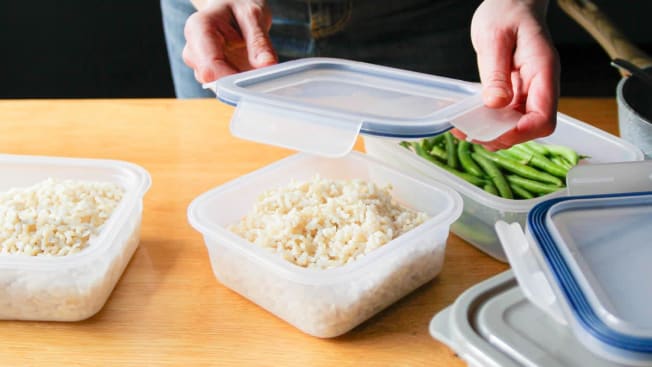
Batch cooking is one of the most effective strategies for staying within budget. Preparing larger portions of rice, beans, soups, or roasted vegetables allows quick assembly of meals throughout the week.
Benefits include:
• Lower energy use per serving
• Reduced cooking time
• Controlled portion sizes
• Fewer last-minute takeout decisions
Cooking large quantities once or twice per week simplifies meal management and improves cost control.
Nutritional Balance Without Expensive Superfoods
Balanced meals do not require imported or specialty items. According to dietary guidance from National Institutes of Health, a balanced plate includes:
• Half vegetables and fruits
• One quarter whole grains
• One quarter protein
• Moderate healthy fats
Budget-friendly foods easily meet these criteria. Beans provide fiber and protein. Oats supply complex carbohydrates. Seasonal vegetables add micronutrients. Eggs deliver essential amino acids.
The key is variety across the week rather than perfection in a single meal.
How to Adapt the Plan for Different Households
For Families
Cook large-batch meals such as chili, casseroles, and soups. Use leftovers for school or work lunches.
For Singles
Cook once and freeze in portions. This prevents food fatigue and waste.
For Vegetarian Households
Replace meat with lentils, chickpeas, tofu, and dairy. Protein needs can be fully met through plant-based combinations.
For Tight Budgets
Focus on rice, oats, lentils, eggs, and frozen vegetables. These provide maximum nutrition per dollar.
Pantry Essentials That Lower Weekly Costs
Keeping a stocked pantry prevents last-minute purchases and supports flexible cooking. Essential items include:
• Dried beans and lentils
• Rice and pasta
• Canned tomatoes
• Basic spices
• Cooking oil
• Peanut butter
These low-cost staples form the backbone of dozens of meals.
Practical Grocery Budget Example
For a modest household, a weekly grocery list might include:
• 2 kg rice
• 1 kg lentils
• 1 dozen eggs
• 1 kg seasonal vegetables
• Frozen mixed vegetables
• Whole wheat bread
• Yogurt
• Chicken thighs
• Bananas and apples
Depending on region, this combination often costs far less than frequent restaurant meals and supports balanced nutrition for the entire week.
Frequently Asked Questions
How much can a weekly meal plan realistically save?
Savings vary by location and eating habits, but structured planning can reduce food expenses by 30–50% compared to frequent takeout or convenience meals.
Is eating healthy on a tight budget realistic?
Yes. Whole grains, legumes, eggs, and seasonal produce are among the most affordable foods per nutrient density.
How can food boredom be avoided?
Use different seasonings and cooking methods. The same base ingredient, such as lentils, can become soup, curry, salad, or wraps.
Are frozen foods less nutritious?
Frozen vegetables are typically harvested at peak ripeness and retain strong nutrient profiles, often comparable to fresh produce.
How often should meal plans change?
Rotating a core two-week cycle keeps planning simple while allowing seasonal adjustments.
What is the biggest mistake in budget meal planning?
Buying ingredients without a plan. Unused groceries frequently end up discarded, increasing total costs.
Long-Term Benefits of Budget Meal Planning
A structured weekly meal plan offers more than short-term savings. Over time, consistent planning leads to improved cooking skills, better portion awareness, and reduced dependency on processed convenience foods. Grocery spending becomes predictable, allowing better financial planning.
Additionally, cooking at home supports healthier dietary patterns. Meals built around whole ingredients naturally contain fewer additives, lower sodium, and more fiber compared to many pre-packaged alternatives.
Budget meal planning also encourages creativity. Working within cost limits fosters smarter use of ingredients, more thoughtful portioning, and improved efficiency.
Final Thoughts: Building a Sustainable System
A budget-friendly weekly meal plan is not a restrictive diet or a temporary cost-cutting experiment. It is a practical system rooted in preparation, informed grocery shopping, and efficient cooking. By focusing on versatile staples, seasonal produce, batch preparation, and strategic reuse of ingredients, households can significantly reduce food expenses while maintaining balanced nutrition.
The most effective approach is simple:
Plan before shopping.
Buy versatile staples.
Cook in batches.
Reuse leftovers intentionally.
Store food properly.
Over time, this method transforms both grocery spending and kitchen efficiency. A well-designed weekly plan creates structure without rigidity, ensuring meals remain affordable, nourishing, and satisfying week after week.
When applied consistently, budget-friendly meal planning becomes less about saving money and more about gaining control—over spending, nutrition, and daily decision-making.
