


Travel in 2026 looks different from a decade ago. Airfare pricing is dynamic, accommodation options are more diverse than ever, and digital tools make planning easier—but sometimes overwhelming. For beginners, budget travel is not about sacrificing comfort or chasing extreme deals. It is about making informed decisions, prioritizing experiences, and understanding how the travel industry works.
This comprehensive guide breaks down every essential aspect of budget travel—from planning and booking to accommodation, food, safety, and smart spending—so beginners can travel confidently without overspending.
Why Budget Travel Is Smarter in 2026
Budget travel no longer means sleeping in unsafe areas or eating poorly. With the growth of digital booking platforms, remote work trends, improved public transportation networks, and better traveler protections worldwide, affordable travel has become more accessible.
Key shifts in 2026 that benefit beginners include:
- Increased competition among airlines and budget carriers
- Flexible cancellation policies across hotels and flights
- Expansion of affordable stays such as hostels, guesthouses, and short-term rentals
- Growth of public transit infrastructure in major cities
- More transparent pricing and travel comparison tools
Understanding these shifts helps beginners avoid common mistakes and build realistic travel plans.
Start with Smart Planning, Not Cheap Bookings
Budget travel begins long before booking flights. Careful research prevents rushed decisions and unnecessary expenses.
A well-planned trip includes:
- Identifying low-season travel windows
- Monitoring flight prices over time
- Comparing accommodation types
- Estimating daily expenses realistically
- Checking visa requirements and entry rules
- Understanding local transportation systems
Beginners often focus only on flight prices, but daily costs—food, transport, entry tickets—usually determine the total budget. A destination with a slightly higher airfare but lower daily expenses may be cheaper overall.
Choosing the Right Destination for Your Budget
Some countries naturally offer better value for beginners. Southeast Asia, parts of Eastern Europe, and select regions in South America typically provide affordable accommodation, transportation, and food compared to major Western capitals.
When evaluating a destination, consider:
- Average accommodation cost per night
- Public transport accessibility
- Street food and local dining prices
- Currency exchange rates
- Tourist infrastructure
- Safety and accessibility
Researching cost-of-living indexes and recent traveler expense reports provides realistic expectations rather than relying on outdated assumptions.
How to Find Affordable Flights in 2026

Flights often represent the largest single expense. Fortunately, beginners can significantly reduce airfare by understanding airline pricing patterns.
Effective strategies include:
1. Be Flexible with Dates
Midweek departures (Tuesday and Wednesday) often cost less than weekend flights. Early morning or late-night flights may also offer lower fares.
2. Use Nearby Airports
Flying into secondary airports can reduce costs, especially in Europe and North America where regional airports are well connected by rail or bus.
3. Book at the Right Time
International flights typically cost less when booked 2–4 months in advance. Domestic flights may be cheaper 1–3 months prior to departure.
4. Avoid Peak Seasons
School holidays, major festivals, and summer vacation months often inflate prices.
5. Pack Light
Budget airlines frequently charge for checked luggage. Traveling with carry-on only can save substantial fees.
Airfare alerts and fare-tracking tools can help monitor fluctuations and notify travelers of price drops.
Accommodation: Affordable Without Compromising Comfort

Accommodation choices in 2026 are more varied than ever. Beginners should compare options carefully rather than defaulting to hotels.
Budget Accommodation Types
Hostels
Ideal for solo travelers. Many modern hostels offer private rooms alongside dorms, shared kitchens, and social spaces.
Guesthouses
Often family-run and more affordable than hotels, especially in Asia and Eastern Europe.
Budget Hotels
Simple but comfortable, suitable for travelers prioritizing privacy.
Short-Term Rentals
Cost-effective for groups or longer stays.
Money-Saving Tips
- Stay slightly outside city centers but near public transit.
- Book refundable options in case prices drop.
- Use shared kitchens to reduce food expenses.
- Compare weekly rates for longer stays.
Reading recent reviews is essential to ensure cleanliness, safety, and accurate descriptions.
Transportation Within Your Destination
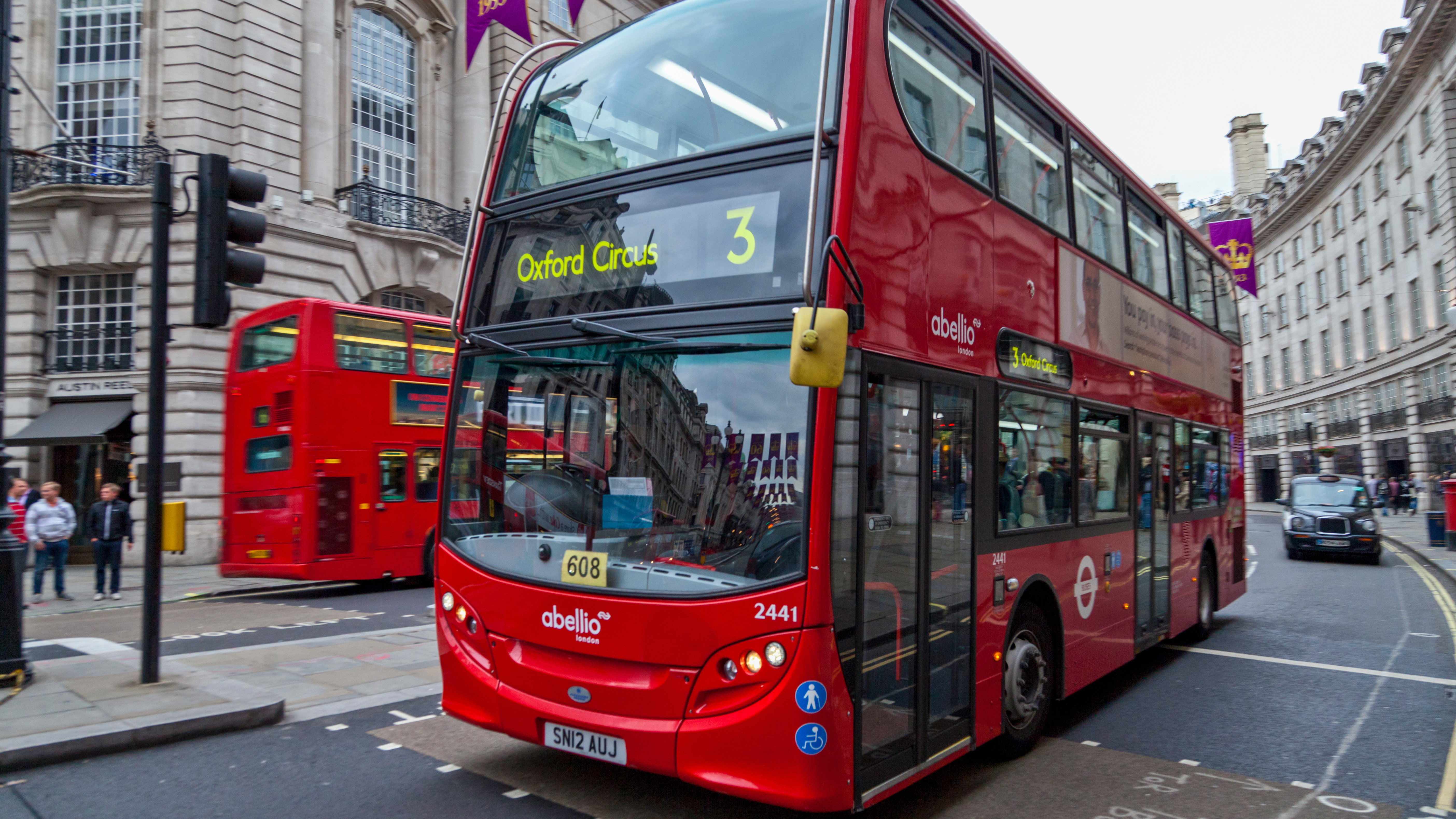
Transportation expenses can quietly drain a budget if not planned properly.
Use Public Transportation
Most major cities offer metro systems, buses, and trams that are affordable and efficient. Weekly transport passes often provide better value than single tickets.
Avoid Airport Taxis
Public airport trains or buses typically cost a fraction of private transfers.
Walk Whenever Possible
Many historic city centers are compact and pedestrian-friendly.
Consider Bike Rentals
In cities with bike infrastructure, daily rentals are affordable and convenient.
Car rentals should only be considered when public transportation is limited or when exploring rural areas.
Eating Well Without Overspending

Food is one of the most flexible parts of a travel budget.
Practical Food Strategies
- Eat where locals eat rather than tourist-heavy areas.
- Try street food from busy, reputable vendors.
- Shop at supermarkets for breakfast and snacks.
- Use accommodation kitchens when available.
- Take advantage of lunch specials instead of dinner pricing.
Street food markets often provide authentic experiences at lower prices than restaurants in tourist districts.
Travel Insurance: An Essential, Not a Luxury
Beginners often consider skipping travel insurance to save money. However, unexpected medical emergencies, cancellations, or lost luggage can result in significant expenses.
Affordable travel insurance plans are widely available and typically cost a small percentage of total trip expenses. Coverage should include:
- Emergency medical treatment
- Trip cancellation or interruption
- Lost or delayed baggage
- Personal liability coverage
Reading policy details carefully ensures adequate protection without unnecessary add-ons.
Budgeting Framework for Beginners
Creating a structured budget prevents overspending. A simple method includes:
- Estimate total trip length.
- Research average daily expenses.
- Add flight costs.
- Include visa fees and insurance.
- Set aside 10–15% for emergencies.
Sample Daily Budget Breakdown (Mid-Range Budget Destination)
| Category | Average Daily Cost (USD) |
|---|---|
| Accommodation | 20–40 |
| Food | 10–25 |
| Transportation | 5–15 |
| Activities | 10–20 |
| Miscellaneous | 5–10 |
| Estimated Total | 50–110 |
Actual expenses vary by region, but structured planning reduces surprises.
Avoiding Common Beginner Mistakes
Budget travel mistakes are often avoidable with preparation.
Overpacking
Extra luggage fees and inconvenience increase costs and stress.
Ignoring Exchange Rates
Dynamic currency rates affect overall budgets. Checking exchange trends before departure helps with planning.
Booking Too Many Activities
Over-scheduling often leads to wasted tickets and exhaustion.
Exchanging Money at Airports
Airport exchange counters usually offer poor rates compared to city banks or ATMs.
Not Checking Visa Rules
Entry denial due to missing documentation can be expensive.
Careful preparation prevents unnecessary financial setbacks.
Leveraging Technology Without Overspending
Travel apps help with:
- Offline maps
- Currency conversion
- Public transportation routes
- Expense tracking
- Language translation
However, beginners should avoid relying solely on apps without cross-checking important information such as transportation strikes or local holidays.
Sustainable Budget Travel
Budget travel does not mean cutting corners on responsibility. Sustainable choices often align with cost-saving measures.
- Using public transport reduces emissions and costs.
- Supporting local businesses benefits communities.
- Avoiding single-use plastics lowers waste.
- Choosing eco-certified accommodations supports responsible tourism.
Sustainability enhances the travel experience while protecting destinations for future visitors.
Safety on a Budget
Safety should never be compromised for savings.
Practical safety practices include:
- Avoiding isolated areas at night.
- Keeping digital and physical copies of important documents.
- Using secure ATMs in reputable locations.
- Informing someone about travel plans.
- Monitoring local advisories before departure.
Budget accommodations should always be evaluated for security features such as lockers, 24-hour reception, and verified reviews.
Comparing Travel Styles: Budget vs. Mid-Range vs. Luxury
Travel Style Comparison Table
| Feature | Budget Travel | Mid-Range Travel | Luxury Travel |
|---|---|---|---|
| Accommodation | Hostels, guesthouses | 3-star hotels | 4–5 star hotels |
| Food | Street food, cafes | Restaurants + cafes | Fine dining |
| Transport | Public transit | Mix of transit + taxis | Private transfers |
| Daily Cost Range | $40–120 | $120–250 | $250+ |
| Experience Focus | Exploration & immersion | Comfort + exploration | Comfort & exclusivity |
Beginners often find budget travel offers deeper cultural immersion due to greater local interaction and public transportation use.
Long-Term Budget Travel Strategies
For trips longer than two weeks:
- Negotiate monthly accommodation discounts.
- Use local SIM cards for cheaper internet.
- Cook regularly instead of dining out daily.
- Use overnight buses or trains to save on accommodation.
Long-term travelers often report significant cost reductions once settling into a routine.
Psychological Approach to Budget Travel
Financial discipline enhances travel quality. Rather than focusing on what cannot be afforded, budget travelers prioritize experiences that provide high value:
- Walking tours
- Nature exploration
- Local markets
- Cultural neighborhoods
- Free museum days
Shifting focus from luxury to meaningful experiences makes travel richer and more memorable.
Frequently Asked Questions (FAQ)
1. How much money should a beginner save before traveling?
A safe starting point includes total expected expenses plus 10–20% emergency buffer. For a one-week budget trip, this often ranges between $700 and $1,500 depending on destination.
2. Is solo budget travel safe for beginners?
Yes, provided standard safety precautions are followed. Researching safe neighborhoods and reading recent accommodation reviews significantly reduces risks.
3. When is the cheapest time to travel?
Shoulder seasons—just before or after peak tourist months—typically offer the best balance between affordability and good weather.
4. Is travel insurance really necessary?
Yes. Medical emergencies abroad can be expensive. Even minor incidents can exceed the cost of insurance coverage.
5. Should beginners use credit cards or cash?
A combination works best. Credit cards offer fraud protection, while small amounts of local currency are useful for markets and transport.
6. How can travelers avoid hidden fees?
Reading fare conditions carefully, checking baggage allowances, reviewing cancellation policies, and confirming local taxes prevents surprises.
7. Are package deals cheaper than independent booking?
Sometimes. Comparing total package costs with separately booked flights and accommodation determines the better option.
Final Thoughts: Building Confidence Through Smart Budget Travel
Budget travel in 2026 is less about extreme cost-cutting and more about strategic decision-making. With flexible planning, smart flight booking, thoughtful accommodation choices, and disciplined daily spending, beginners can experience international travel without financial strain.
Affordable travel does not reduce quality; it enhances awareness. Using public transportation encourages cultural immersion. Eating local food introduces authentic flavors. Staying in community-based accommodations creates meaningful connections.
Preparation, research, and realistic budgeting remain the foundation of successful travel. Beginners who approach travel with curiosity, adaptability, and financial awareness often discover that budget travel provides not only savings—but depth, perspective, and lasting value.
The world remains accessible to those who plan wisely. With careful research, flexible thinking, and a commitment to informed decisions, 2026 presents unprecedented opportunities for meaningful and affordable exploration.

