


Modern professional life is structured around deadlines, digital communication, and extended hours of mental focus. Unfortunately, physical movement often becomes secondary. Yet global health authorities consistently emphasize that regular exercise is essential for preventing chronic disease, improving cognitive performance, and supporting mental well-being. The World Health Organization reports that insufficient physical activity is one of the leading risk factors for global mortality, highlighting how critical movement is for long-term health.
For busy professionals, the challenge is rarely awareness. It is practicality. Gym commutes, fixed class schedules, and long workout sessions are not always realistic. The solution lies in efficient, structured home workouts designed specifically for time-constrained individuals.
This guide explores practical, research-backed strategies that make fitness sustainable, effective, and manageable within a demanding work schedule.
Why Home Workouts Work for High-Pressure Schedules
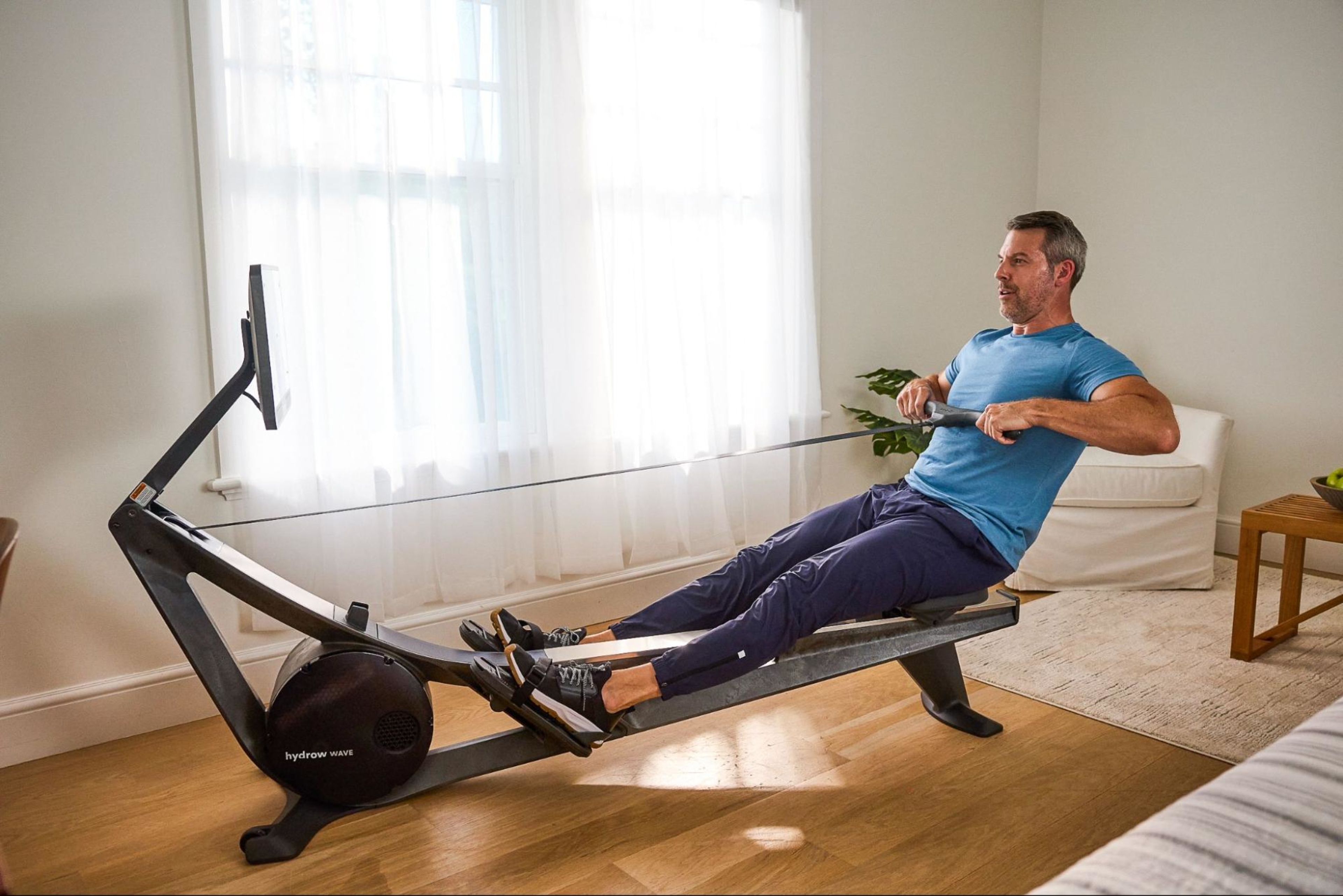
Home workouts eliminate the most common barriers to consistency: commuting time, equipment wait times, and scheduling conflicts. According to the Centers for Disease Control and Prevention, adults need at least 150 minutes of moderate-intensity activity per week. When broken down, that equals just over 20 minutes per day.
Short sessions performed consistently at home can easily meet these recommendations. Research published by Harvard Medical School confirms that bodyweight training and brief high-intensity sessions can deliver measurable cardiovascular and metabolic benefits, even when performed in limited space.
For professionals balancing meetings and deadlines, this flexibility is transformative.
The Science Behind Short, Effective Workouts
Many professionals assume workouts must last an hour to be effective. Evidence suggests otherwise.
The American College of Sports Medicine explains that high-intensity interval training (HIIT) can produce similar cardiovascular improvements compared to longer steady-state sessions. Alternating short bursts of effort with brief recovery periods improves heart health, insulin sensitivity, and calorie burn efficiency.
Additionally, strength training—even using bodyweight—stimulates muscle growth and metabolic activity. The National Institutes of Health highlights that maintaining muscle mass supports long-term metabolic health, particularly for individuals who spend extended hours sitting.
Efficiency, not duration, is what matters most.
Structuring a 20-Minute Home Workout

A balanced 20-minute routine should include three components:
1. Warm-Up (3–5 Minutes)
- Marching or jogging in place
- Arm circles and shoulder rolls
- Bodyweight lunges
- Light dynamic stretches
Dynamic warm-ups improve blood flow and reduce injury risk. The Mayo Clinic emphasizes that proper warm-ups prepare muscles and joints for exertion.
2. Main Circuit (12–15 Minutes)
Perform each movement for 30–45 seconds with 15–30 seconds rest.
- Squats
- Push-ups
- Reverse lunges
- Plank hold
- Mountain climbers
Repeat the circuit 2–3 times.
These compound movements engage multiple muscle groups simultaneously, maximizing results in limited time.
3. Cool Down (3–5 Minutes)
Slow stretching focused on:
- Hamstrings
- Hip flexors
- Chest and shoulders
- Lower back
Gentle stretching promotes recovery and flexibility.
Types of Easy Home Workouts for Professionals
Different work demands require different workout styles. Below are practical categories tailored for busy schedules.
1. Bodyweight Strength Training

Ideal for professionals seeking muscle tone without equipment.
Key exercises:
- Push-ups
- Squats
- Wall sits
- Glute bridges
- Plank variations
These movements improve posture, particularly important for individuals spending long hours at desks.
2. High-Intensity Interval Training (HIIT)

Best for professionals with extremely limited time.
Structure:
- 30 seconds high knees
- 30 seconds rest
- 30 seconds jump squats
- 30 seconds rest
- 30 seconds burpees
- 30 seconds rest
Repeat 3–4 rounds.
Research from the American Heart Association supports interval training as an effective method for improving cardiovascular health efficiently.
3. Mobility and Flexibility Sessions
Desk-based work often leads to tight hips, rounded shoulders, and neck stiffness.
Mobility-focused routines include:
- Cat-cow stretches
- Hip openers
- Thoracic rotations
- Shoulder mobility drills
Yoga-based movement patterns are supported by research from Johns Hopkins Medicine, which notes improvements in flexibility, balance, and stress reduction.
4. Low-Impact Cardio Options
For professionals who prefer gentler workouts:
- Brisk stair climbing
- Step workouts
- Marching intervals
- Stationary cycling (if available)
Low-impact options are sustainable long-term and easier on joints.
Weekly Workout Plan for Busy Professionals
Example 5-Day Structure
- Monday: 20-minute strength circuit
- Tuesday: 15-minute HIIT
- Wednesday: Mobility and stretching session
- Thursday: Strength + core
- Friday: Low-impact cardio
Weekends can include active recovery such as walking or light stretching.
Consistency matters more than intensity.
Comparison Table: Choosing the Right Home Workout
Professional-Friendly Workout Comparison Guide
| Workout Type | Time Required | Equipment Needed | Best For | Intensity Level |
|---|---|---|---|---|
| Bodyweight Strength | 20–30 min | None | Muscle tone & posture | Moderate |
| HIIT | 10–20 min | None | Fat loss & cardiovascular fitness | High |
| Mobility/Yoga | 15–25 min | Mat (optional) | Flexibility & stress relief | Low |
| Low-Impact Cardio | 20–30 min | Minimal | Endurance & joint-friendly fitness | Moderate |
This comparison helps professionals select routines based on energy levels and daily workload.
Overcoming Common Barriers
“No Time”
Micro-workouts are effective. Three 10-minute sessions throughout the day can accumulate meaningful results. Research in the Journal of the American Heart Association shows that accumulated short bouts of activity contribute significantly to cardiovascular benefits.
“Low Energy After Work”
Morning workouts often improve adherence. Studies cited by the Sleep Foundation indicate that regular physical activity enhances sleep quality, which further improves energy levels.
“Limited Space”
Most bodyweight routines require no more than the space of a yoga mat. Vertical storage solutions can accommodate small equipment like resistance bands.
Ergonomics and Posture: Why Strength Matters
Professionals frequently experience:
- Forward head posture
- Rounded shoulders
- Lower back discomfort
Strengthening the posterior chain (glutes, back, hamstrings) counteracts prolonged sitting. The Occupational Safety and Health Administration emphasizes movement breaks to reduce musculoskeletal strain.
Simple corrective exercises:
- Rows with resistance bands
- Superman holds
- Glute bridges
- Scapular retractions
These movements support long-term spinal health.
Nutrition and Hydration for Active Professionals
Exercise effectiveness increases when supported by proper nutrition.
Guidelines from the Academy of Nutrition and Dietetics recommend:
- Lean protein sources
- Whole grains
- Fruits and vegetables
- Adequate hydration
Even mild dehydration can reduce performance and concentration. Keeping a water bottle nearby during work hours supports both productivity and workout readiness.
Recovery and Stress Management

Recovery is often overlooked. However, it is essential for busy professionals managing high stress.
Recovery strategies:
- Gentle stretching
- Deep breathing exercises
- Foam rolling
- Adequate sleep
The American Psychological Association notes that exercise significantly reduces stress levels, improving resilience and emotional regulation.
Technology That Supports Home Fitness
While workouts require minimal equipment, certain tools enhance accountability:
- Fitness tracking apps
- Wearable step counters
- Interval timers
- Online guided sessions from reputable institutions
Digital support increases adherence without increasing time demands.
Frequently Asked Questions
How long should a home workout be for busy professionals?
A session between 15 and 30 minutes is sufficient when structured properly. Short, consistent workouts provide measurable benefits when performed regularly.
Is bodyweight training enough to build muscle?
Yes. Progressive overload can be achieved through variations such as single-leg exercises, tempo adjustments, and increased repetitions. Many strength programs rely solely on bodyweight for foundational development.
Can home workouts replace the gym?
For general fitness, strength maintenance, cardiovascular health, and flexibility, home workouts are entirely effective. Advanced bodybuilding or heavy lifting goals may require additional equipment.
What is the best time to exercise?
Morning sessions often improve consistency, but the best time is one that aligns with a sustainable routine. Consistency outweighs timing.
How can professionals stay motivated?
Clear goals, measurable progress tracking, and structured plans significantly improve adherence. Scheduling workouts as fixed calendar appointments increases commitment.
Are short workouts really effective for weight management?
Yes. Intensity, consistency, and dietary balance determine outcomes more than duration alone.
How often should strength training be done?
At least two to three sessions per week are recommended by major health authorities for maintaining muscle mass and metabolic health.
Long-Term Benefits of Consistent Home Workouts
Professionals who maintain consistent physical activity often experience:
- Improved cognitive clarity
- Enhanced productivity
- Reduced stress levels
- Better sleep quality
- Lower long-term health risks
Exercise improves blood circulation to the brain, supporting concentration and decision-making—critical skills in high-demand professions.
Final Thoughts: Sustainable Fitness for a Demanding Life
Busy schedules are unlikely to disappear. Professional responsibilities, deadlines, and digital demands will continue to compete for attention. The key is not finding more time but designing smarter systems.
Home workouts provide flexibility, efficiency, and measurable health benefits without requiring extensive equipment or travel. Even 15 to 20 minutes of structured movement each day can significantly improve cardiovascular health, posture, stress resilience, and long-term well-being.
Consistency remains the foundation of success. Small, realistic sessions performed regularly outperform ambitious plans that are difficult to maintain.
The most effective fitness strategy for busy professionals is one that fits seamlessly into daily life—simple, structured, and sustainable.

