



A small kitchen can feel limiting, but limited square footage does not mean limited functionality. In fact, compact kitchens often perform better when organized intentionally. With thoughtful planning, smart storage solutions, and efficient layout design, even the smallest cooking area can feel open, practical, and visually calm.
Urban living trends show that smaller homes are becoming more common, particularly in densely populated cities. According to data from the U.S. Census Bureau, the average size of new apartments has fluctuated downward in recent years as compact urban living gains popularity. This shift makes efficient kitchen organization more relevant than ever. Research from the National Association of Home Builders also highlights that buyers consistently prioritize functional kitchen storage, regardless of overall home size.
This comprehensive guide explores how to organize a kitchen in a small space using proven strategies backed by design principles, behavioral research, and practical application.
Understanding Small Kitchen Layout Principles
Before reorganizing shelves or purchasing storage containers, it is important to understand how small kitchens function. Professional designers often rely on the “work triangle” principle, a layout concept popularized by the National Kitchen and Bath Association, which suggests that the sink, stove, and refrigerator should form an efficient triangle to minimize unnecessary movement.
In compact kitchens, this triangle may be compressed, but the principle remains valid. Keeping high-use items within arm’s reach of their primary function reduces clutter and improves workflow. For example, spices near the stove, knives near prep areas, and cleaning supplies under the sink maintain order and efficiency.
Another guiding concept comes from minimalism research supported by behavioral studies shared by the Princeton University Neuroscience Institute, which found that visual clutter competes for attention and reduces productivity. In a small kitchen, visible clutter feels amplified. Organized storage is not just aesthetic—it directly impacts mental clarity and cooking efficiency.
Step 1: Declutter with Strategic Precision
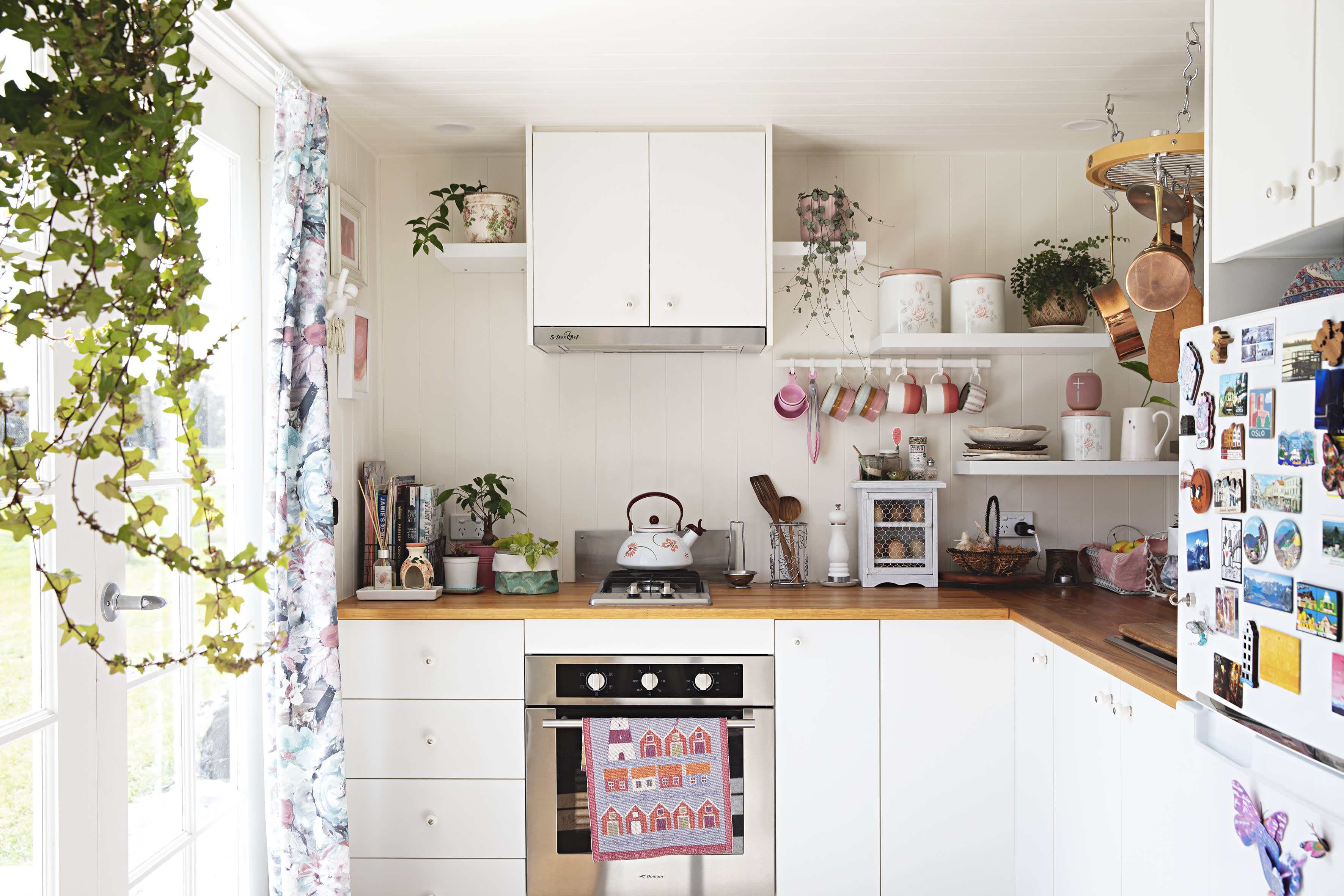
Effective organization begins with eliminating unnecessary items. Small kitchens cannot accommodate duplicates, rarely used gadgets, or expired pantry goods.
A structured decluttering process involves:
• Removing everything from cabinets and drawers
• Grouping items by category
• Discarding broken, unused, or duplicate tools
• Checking expiration dates on food items
• Donating excess cookware
Food safety guidelines from the U.S. Food and Drug Administration emphasize proper storage and expiration awareness, reinforcing the importance of reviewing pantry items regularly.
Decluttering is not about extreme minimalism. It is about keeping what supports daily cooking routines and removing what consumes valuable space.
Step 2: Maximize Vertical Space
Small kitchens often suffer from underutilized vertical space. Walls, cabinet interiors, and even the sides of appliances can provide hidden storage potential.
Wall-mounted shelving, magnetic knife strips, hanging rails, and pegboards can significantly expand storage without consuming floor space. The design philosophy promoted by companies like IKEA, known for small-space living solutions, consistently emphasizes vertical optimization in compact environments.
Effective vertical storage ideas include:
• Installing floating shelves above countertops
• Using stackable shelf risers inside cabinets
• Hanging pots and pans from ceiling racks
• Mounting spice racks on cabinet doors
• Adding over-the-sink shelves
The key is balance. Open shelving should remain visually tidy, as excessive visible items can recreate the clutter problem that organization aims to solve.
Step 3: Create Functional Zones

Dividing the kitchen into functional zones improves both storage and efficiency. Even a tiny kitchen benefits from clearly defined areas such as:
• Prep zone
• Cooking zone
• Cleaning zone
• Storage zone
Design psychology research often cited by Harvard Business Review highlights that task grouping increases efficiency and reduces cognitive load. The same concept applies in kitchens: keeping similar tools and ingredients together reduces friction during meal preparation.
For example, in the prep zone, store cutting boards, knives, mixing bowls, and frequently used ingredients. In the cooking zone, store oils, spices, and utensils near the stove. This zoning method reduces unnecessary movement and enhances productivity.
Step 4: Invest in Smart Storage Tools
Not all storage containers are equal. Transparent, stackable, and airtight containers improve both space efficiency and food preservation.
The Academy of Nutrition and Dietetics emphasizes proper food storage as essential for freshness and safety. Airtight containers protect dry goods while maintaining visual order.
Useful small-kitchen storage tools include:
• Stackable clear pantry bins
• Drawer dividers
• Pull-out cabinet organizers
• Lazy Susans for corner cabinets
• Collapsible measuring cups and bowls
• Slim rolling carts for narrow gaps
Uniform containers create a streamlined appearance while maximizing cabinet depth. In small spaces, visual harmony contributes to perceived spaciousness.
Step 5: Optimize Cabinets and Drawers

Cabinets in small kitchens often hide untapped potential. Adding adjustable shelves or risers doubles vertical storage capacity. Pull-out organizers transform deep cabinets into accessible spaces.
Under-sink areas benefit from tiered shelving units that work around plumbing. Drawer dividers prevent utensil overlap, making it easier to maintain order long term.
Kitchen organization experts frequently reference ergonomics research from institutions like Cornell University, which supports arranging frequently used items within comfortable reach to reduce strain and improve efficiency.
The goal is not simply to store items but to make them easy to retrieve and return.
Step 6: Keep Countertops Intentionally Minimal
Clear countertops instantly make a small kitchen feel larger. According to interior design best practices widely cited by design organizations such as the American Society of Interior Designers, reducing visible clutter enhances perceived space and functionality.
Only daily-use items should remain on countertops, such as:
• Coffee maker
• Knife block or magnetic strip
• Fruit bowl
• Cooking utensil holder
All other appliances should be stored in cabinets or pantry areas if possible. Even large appliances like stand mixers can be placed on sliding shelves inside cabinets.
Step 7: Use Multi-Functional Furniture


Multi-functional pieces are especially valuable in small kitchens. Rolling carts can serve as prep stations, storage units, or serving areas. Drop-leaf tables provide temporary workspace without permanent footprint expansion.
Furniture that combines storage with function maximizes every square foot. For example:
• Kitchen islands with built-in drawers
• Benches with hidden storage
• Fold-down wall tables
• Magnetic side panels for refrigerators
Compact living studies from organizations such as the Urban Land Institute show that adaptable furniture significantly improves usability in small residential spaces.
Small Kitchen Storage Solutions Comparison Table
Smart Storage Options for Compact Kitchens
| Storage Solution | Space Saved | Cost Range | Best For | Pros | Cons |
|---|---|---|---|---|---|
| Floating Shelves | Moderate | Low–Medium | Displaying frequently used items | Easy access, affordable | Visible clutter risk |
| Pull-Out Organizers | High | Medium | Deep cabinets | Maximizes depth | Installation required |
| Rolling Cart | Moderate | Medium | Extra prep/storage space | Portable | Takes floor space |
| Drawer Dividers | Low | Low | Utensils | Simple, effective | Limited expansion |
| Stackable Containers | High | Low–Medium | Pantry items | Space-efficient | Initial investment |
This comparison highlights how different solutions address unique storage challenges. Choosing based on layout and cooking habits ensures lasting results.
Maintaining Organization Long Term
Organization fails when systems are not sustainable. Maintenance requires simple habits:
• Returning items immediately after use
• Conducting monthly mini-declutters
• Reassessing storage every season
• Labeling pantry containers
Behavioral habit research discussed by experts at Stanford Behavior Design Lab shows that small, repeatable habits are more effective than large, infrequent reorganizations.
A five-minute reset at the end of each day prevents buildup of clutter and maintains efficiency.
Frequently Asked Questions
How often should a small kitchen be reorganized?
A full reassessment every six months is typically sufficient, while minor adjustments and decluttering should occur monthly. Seasonal changes in cooking habits may also require storage shifts.
What is the biggest mistake in small kitchen organization?
Overcrowding cabinets and keeping unnecessary duplicates is a common issue. Small kitchens require disciplined curation of tools and appliances.
Are open shelves practical in small kitchens?
Open shelves work well when used selectively for daily-use items. However, they must remain tidy to prevent visual overload.
How can renters organize without permanent changes?
Adhesive hooks, over-the-door racks, stackable bins, and rolling carts provide effective solutions without drilling or structural modifications.
How can food waste be minimized in small kitchens?
Proper labeling, first-in-first-out pantry rotation, and transparent storage containers help monitor expiration dates and reduce waste.
Conclusion: Designing a Small Kitchen That Works Effortlessly
Organizing a kitchen in a small space is less about square footage and more about intention. Every cabinet, drawer, and wall offers opportunity when approached strategically. Thoughtful decluttering, vertical storage, zoning, and multi-functional furniture transform compact kitchens into highly efficient workspaces.
When organization aligns with daily cooking habits, the kitchen becomes easier to maintain, cleaner to use, and more enjoyable overall. A well-structured system eliminates frustration, saves time, and enhances both functionality and visual calm.
Small kitchens do not require compromise. With deliberate planning and smart storage choices, even the most compact space can feel balanced, capable, and surprisingly spacious.

