


Stress has quietly become one of the most common health challenges of modern life. Tight deadlines, constant notifications, financial pressure, health concerns, and social expectations create a near-constant state of mental overload. According to the American Psychological Association’s Stress in America findings, chronic stress continues to rise across age groups, affecting sleep, immunity, mood, and long-term health. Prolonged exposure to stress hormones such as cortisol is linked to anxiety, digestive problems, high blood pressure, and even increased risk of heart disease, as explained by the Mayo Clinic.
The encouraging truth is that stress does not always require expensive retreats or complicated therapies. Many of the most effective stress-reduction methods can be practiced at home using natural, evidence-based techniques. This comprehensive guide explores practical, research-supported strategies that calm the nervous system, restore mental clarity, and build long-term resilience — all from the comfort of home.
Understanding What Stress Really Does to the Body
Before addressing solutions, it is essential to understand the biological mechanism of stress.
When the brain perceives a threat, the hypothalamus activates the sympathetic nervous system, triggering the well-known “fight-or-flight” response. The adrenal glands release cortisol and adrenaline, increasing heart rate, sharpening alertness, and preparing the body for action. This response is protective in short bursts. However, chronic activation can lead to physical and emotional strain, as detailed by the Cleveland Clinic’s explanation of stress physiology.
Over time, chronic stress can cause:
- Disrupted sleep cycles
- Weakened immune response
- Digestive discomfort
- Headaches and muscle tension
- Irritability and mood instability
- Reduced concentration
Understanding this mechanism makes one thing clear: reducing stress naturally means calming the nervous system and lowering sustained cortisol levels.
Deep Breathing: The Fastest Natural Stress Reset
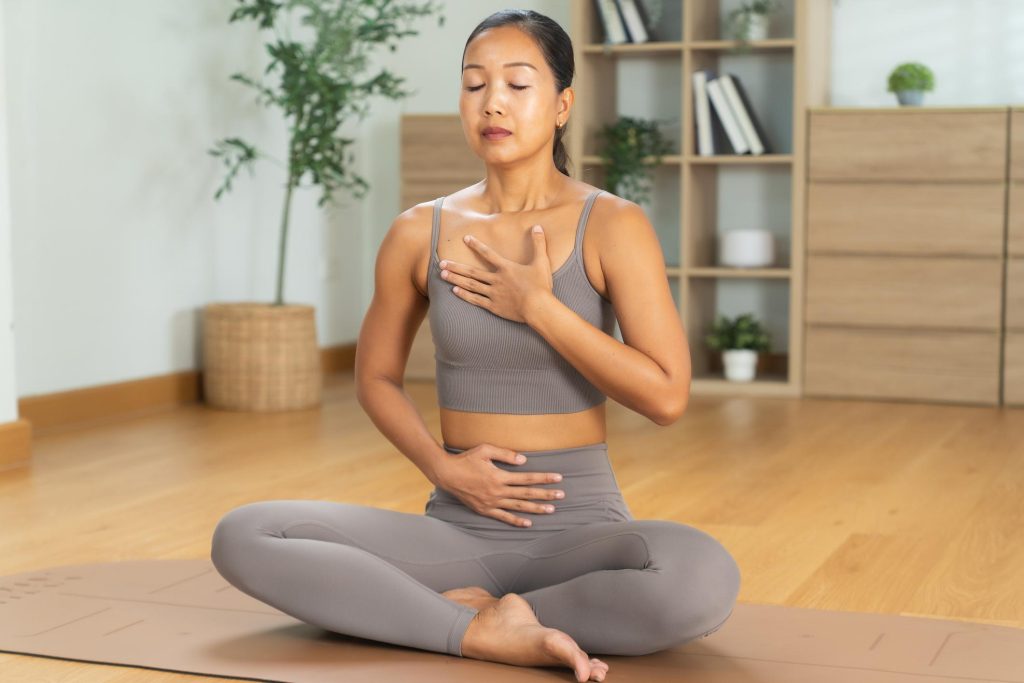
Among all stress-reduction techniques, controlled breathing is one of the fastest ways to shift the body from a sympathetic (fight-or-flight) state into a parasympathetic (rest-and-digest) state.
The National Center for Complementary and Integrative Health notes that breathing exercises can significantly reduce anxiety and improve overall emotional regulation.
How It Works
Slow, diaphragmatic breathing:
- Signals safety to the brain
- Slows heart rate
- Reduces blood pressure
- Lowers cortisol levels
Simple 4–6 Breathing Practice
- Inhale slowly through the nose for 4 seconds
- Hold for 2 seconds
- Exhale gently through the mouth for 6 seconds
- Repeat for 5 minutes
Even two minutes of intentional breathing can interrupt the stress cycle.
Movement and Exercise: A Natural Antidepressant at Home
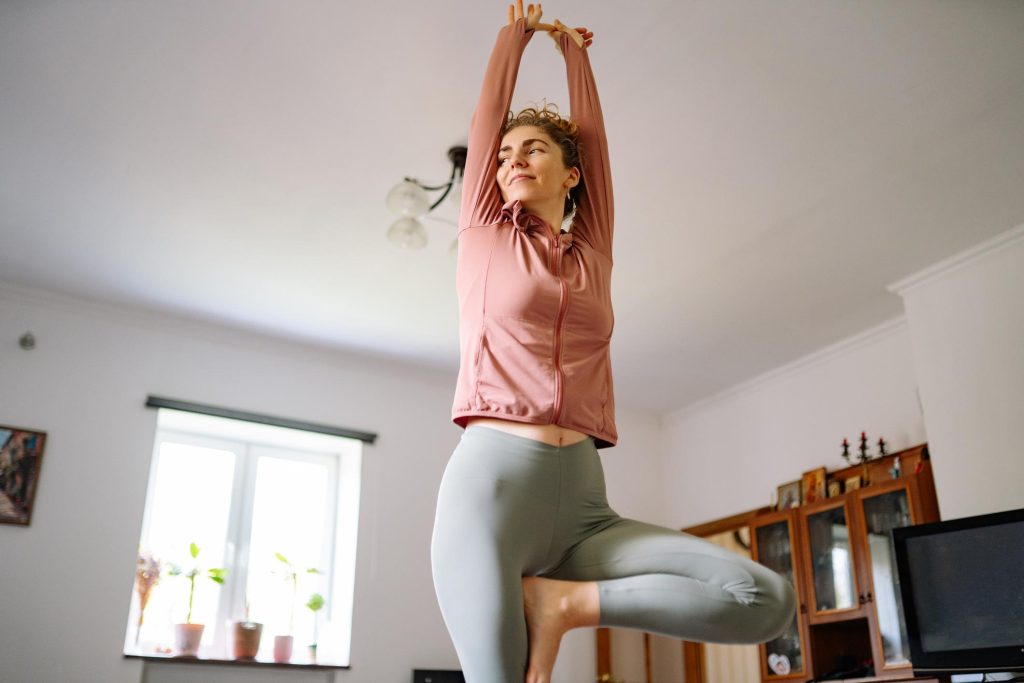
Regular physical activity remains one of the most powerful natural stress reducers. The Centers for Disease Control and Prevention explains that exercise boosts endorphins, improves sleep quality, and reduces symptoms of anxiety and depression.
Why Exercise Reduces Stress
- Increases serotonin and dopamine
- Burns excess stress hormones
- Improves cardiovascular health
- Enhances sleep regulation
Best At-Home Exercise Options
- Bodyweight workouts (push-ups, squats, planks)
- Yoga flows
- Light stretching routines
- Dance sessions
- Guided home workouts
Yoga, in particular, combines physical movement with breath control, making it especially effective. Research published by Harvard Health highlights yoga’s ability to reduce stress and improve emotional balance.
Consistency matters more than intensity. Even 20–30 minutes per day can produce measurable improvements.
The Power of Quality Sleep
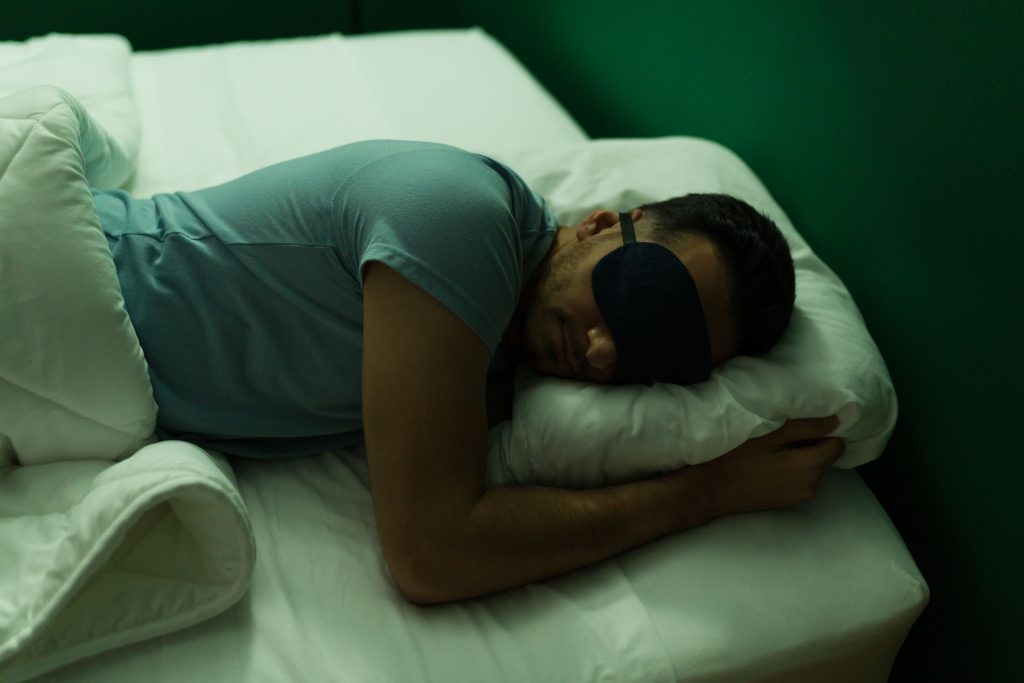
Stress and sleep form a two-way cycle. Poor sleep increases cortisol, and elevated cortisol disrupts sleep. According to the Sleep Foundation, adults generally need 7–9 hours of quality sleep per night for optimal functioning.
Practical Ways to Improve Sleep Naturally
- Maintain a consistent bedtime
- Limit screen exposure 60 minutes before bed
- Keep the bedroom cool and dark
- Avoid heavy meals late at night
- Reduce caffeine intake after midday
Establishing a calming pre-sleep routine signals safety to the brain and lowers nighttime stress responses.
Nutrition: Calming the Nervous System Through Food

Diet plays a crucial role in stress regulation. Nutritional psychiatry research, including findings referenced by Harvard Medical School, suggests that balanced diets support mood stability and cognitive function.
Stress-Reducing Nutrients
- Magnesium (found in leafy greens and nuts)
- Omega-3 fatty acids (found in flaxseeds and fatty fish)
- B vitamins (found in whole grains and legumes)
- Antioxidants (found in berries and vegetables)
Highly processed foods, excessive sugar, and caffeine spikes can intensify stress responses. Stabilizing blood sugar levels supports emotional steadiness.
Hydration also matters. Even mild dehydration can elevate cortisol and reduce mental clarity.
Mindfulness and Meditation: Training the Brain to Be Calm
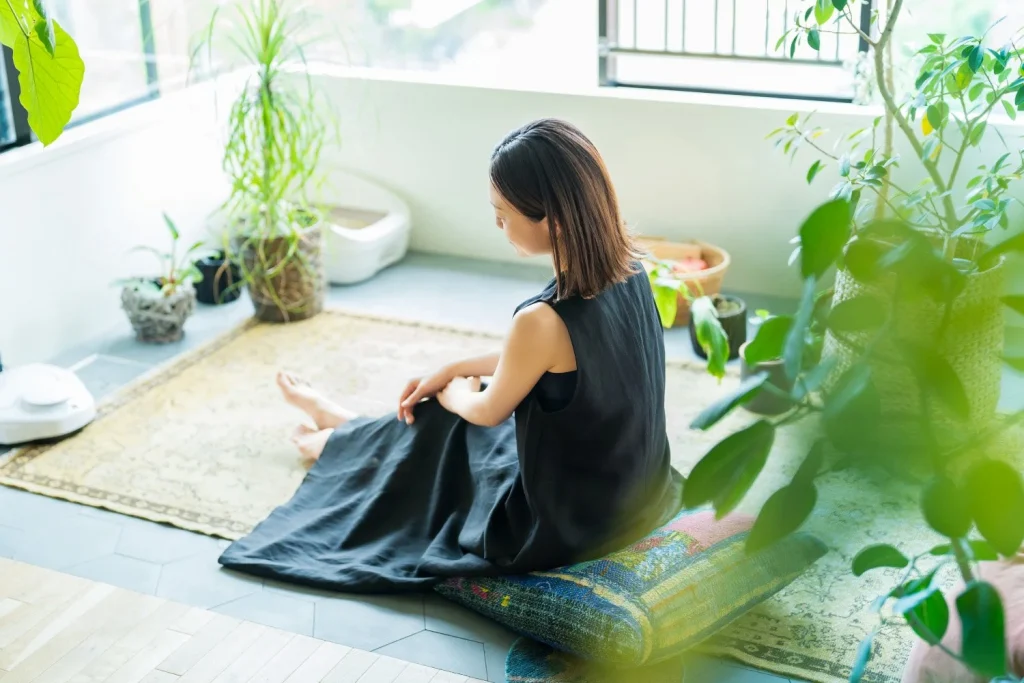
Mindfulness-based stress reduction (MBSR) has been extensively studied for its effectiveness. The American Psychological Association discusses how mindfulness meditation reduces rumination, improves emotional regulation, and lowers anxiety symptoms.
What Mindfulness Does
- Decreases amygdala overactivity
- Improves prefrontal cortex regulation
- Enhances emotional awareness
- Reduces automatic stress reactions
Simple At-Home Mindfulness Practice
- Sit comfortably
- Focus attention on breathing
- Notice thoughts without judgment
- Gently return focus to breath
Even five minutes daily builds mental resilience over time.
Nature Exposure Indoors and Outdoors
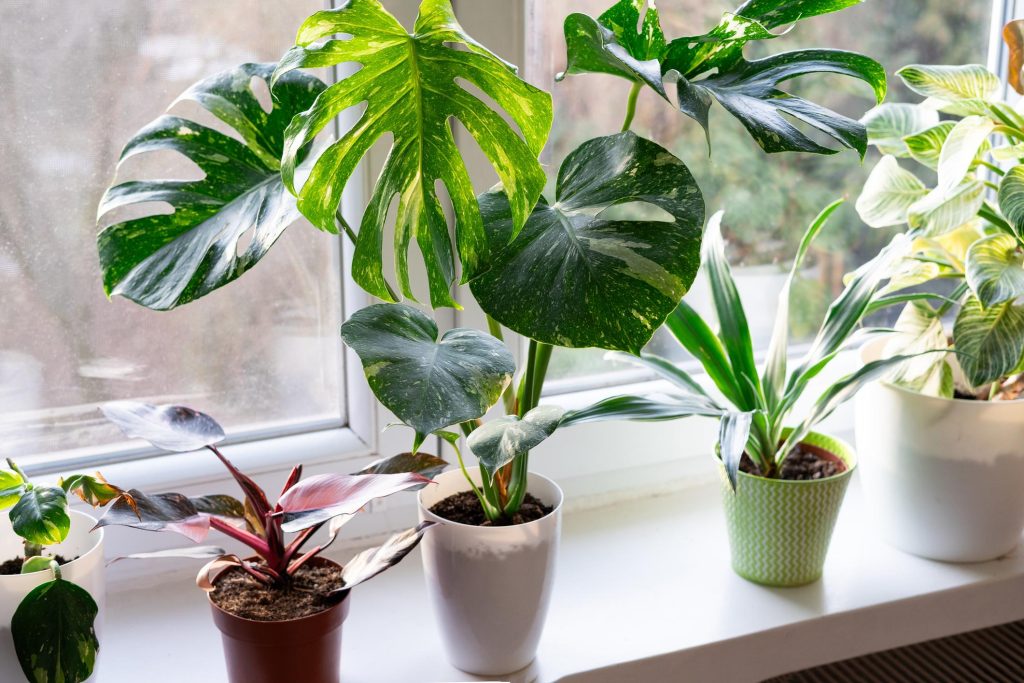
Spending time in nature significantly reduces stress markers. Research summarized by the National Institutes of Health shows that exposure to green spaces lowers cortisol levels and improves mood.
While outdoor walks are ideal, stress reduction can also happen indoors through:
- Houseplants
- Natural light exposure
- Listening to nature sounds
- Viewing nature imagery
Natural environments shift attention away from stressors and encourage relaxation.
Decluttering and Environmental Calm
Physical clutter often contributes to mental clutter. A Princeton University Neuroscience Institute study found that clutter competes for attention and increases cognitive overload.
Practical Steps for a Calmer Space
- Clear one surface at a time
- Use storage baskets
- Minimize visible distractions
- Create a designated relaxation corner
An organized environment reduces subconscious stress triggers.
Digital Boundaries and Information Detox
Constant digital stimulation keeps the nervous system in alert mode. According to the World Health Organization, excessive screen time is linked to sleep disruption and increased anxiety.
Strategies for Digital Stress Reduction
- Schedule no-phone hours
- Turn off non-essential notifications
- Avoid news consumption before bed
- Keep devices out of the bedroom
Creating digital boundaries restores mental space and reduces overstimulation.
Comparison Table: Natural Stress-Relief Methods at Home
Natural Stress-Reduction Methods Compared
| Method | Speed of Relief | Long-Term Benefits | Cost | Ease of Implementation |
|---|---|---|---|---|
| Deep Breathing | Immediate | High | Free | Very Easy |
| Exercise | Moderate | Very High | Free–Low | Moderate |
| Sleep Optimization | Gradual | Very High | Free | Moderate |
| Balanced Nutrition | Gradual | High | Moderate | Moderate |
| Mindfulness Meditation | Moderate | Very High | Free | Easy |
| Nature Exposure | Moderate | High | Free | Easy |
| Decluttering | Gradual | Moderate | Free | Moderate |
| Digital Detox | Moderate | High | Free | Easy |
Each method supports a different dimension of stress recovery. Combining two or three strategies often produces the best results.
Aromatherapy and Natural Scents
Aromatherapy has been studied for its calming effects. Research published in complementary medicine journals suggests lavender essential oil may reduce anxiety symptoms and promote relaxation.
Popular Calming Scents
- Lavender
- Chamomile
- Bergamot
- Sandalwood
Diffusers, warm baths, or pillow sprays can introduce calming scents into the home environment.
Journaling for Emotional Regulation
Writing helps externalize mental clutter. Studies on expressive writing show that structured journaling can reduce stress and improve immune function.
Effective Journaling Prompts
- What is currently causing tension?
- What is within control today?
- Three small actions that reduce pressure
- One thing to feel grateful for
This method organizes thoughts and reduces rumination.
Laughter and Positive Media
Laughter reduces stress hormones and increases endorphins. Health institutions such as the Mayo Clinic highlight the physical benefits of laughter, including improved oxygen intake and muscle relaxation.
Intentional exposure to uplifting media or comedy content can shift mood and interrupt stress cycles.
Structured Daily Routines
Predictability reduces uncertainty, which is a major source of stress. Creating structured daily routines helps the brain conserve energy and reduces decision fatigue.
Simple Structure Framework
- Morning routine
- Defined work blocks
- Scheduled breaks
- Evening wind-down ritual
Routine builds psychological stability.
When to Seek Professional Help
While natural methods are highly effective for mild to moderate stress, persistent symptoms such as panic attacks, chronic insomnia, or severe anxiety may require professional evaluation.
The National Institute of Mental Health explains that therapy, counseling, or medical consultation may be appropriate when stress significantly impairs daily functioning.
Natural methods and professional support can work together effectively.
Frequently Asked Questions About Reducing Stress Naturally
1. How long does it take for natural stress-reduction techniques to work?
Breathing exercises can produce immediate effects. Practices like meditation, exercise, and improved sleep typically show noticeable improvements within 2–4 weeks when done consistently.
2. Can diet alone reduce stress?
Diet significantly influences mood and energy levels, but optimal stress reduction usually requires a combination of sleep, movement, and mental strategies.
3. Is meditation necessary to reduce stress?
Meditation is beneficial but not mandatory. Physical activity, breathing exercises, and structured routines can also effectively reduce stress.
4. Are natural remedies enough for severe anxiety?
Severe or chronic anxiety may require professional support. Natural strategies can complement but should not replace medical advice when symptoms are intense.
5. How often should relaxation techniques be practiced?
Daily practice, even in small amounts, yields the most sustainable results.
Building a Personal Stress-Reduction Plan at Home
Sustainable stress reduction rarely depends on a single technique. It involves building a personalized system that supports physical, mental, and environmental balance.
A practical framework may include:
- 5 minutes of morning breathing
- 20–30 minutes of movement
- Balanced meals
- Limited evening screen time
- Consistent sleep schedule
- Weekly space decluttering
- Short mindfulness sessions
Small daily actions accumulate into long-term resilience.
Final Thoughts: Creating a Calm Home Environment That Supports Mental Well-Being
Stress may be a universal part of modern life, but chronic overwhelm does not have to be the norm. The body is designed with powerful self-regulation systems. When supported with intentional habits, these systems restore balance naturally.
Deep breathing calms the nervous system in minutes. Regular movement strengthens emotional stability. Quality sleep rebuilds resilience. Balanced nutrition fuels mental clarity. Mindfulness reshapes thought patterns. Nature exposure lowers cortisol. Organized spaces reduce cognitive overload. Digital boundaries protect attention.
The key lies not in perfection, but in consistency. Simple, repeatable habits practiced at home can transform stress from an uncontrollable force into a manageable signal.
A calm environment is not accidental. It is designed through small daily choices that protect mental and physical well-being. By integrating natural stress-reduction techniques into everyday life, long-term health, clarity, and emotional balance become achievable realities.

