


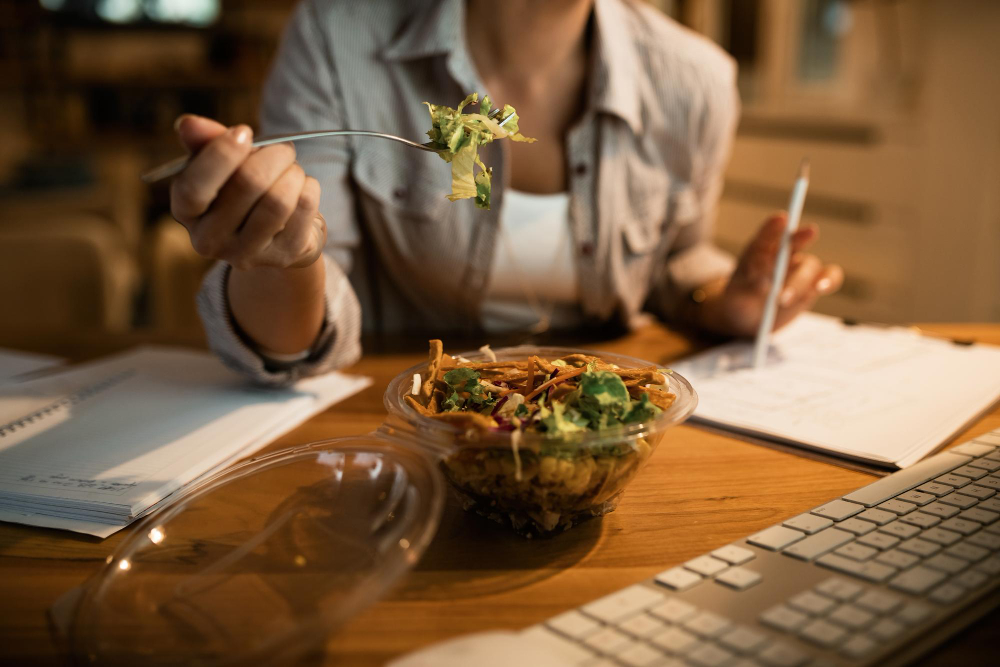
The modern weeknight is often a race against the clock. Between professional obligations, personal commitments, and the desire for a restorative evening, the kitchen can either become a source of stress or a sanctuary of efficiency. For those committed to a plant-based lifestyle, the challenge is often perceived as twofold: maintaining nutritional integrity while minimizing labor. However, the intersection of health and convenience is best found in the “Power of Five”—the culinary philosophy that a complete, satisfying meal requires only five core ingredients.
By stripping away the complexity of traditional recipes, it becomes possible to focus on the quality of whole foods. This approach relies on nutrient-dense staples that provide fiber, protein, and essential fats without the need for an overflowing pantry. Minimalist cooking is not about deprivation; it is about strategic selection. When every ingredient must carry its own weight, the resulting flavors are often cleaner, bolder, and more intentional.
The Science of Simplicity: Why Fewer Ingredients Work
From a nutritional standpoint, simplifying meals can actually lead to better digestion and more consistent energy levels. Complex dishes with dozens of components—especially processed sauces or heavy seasonings—can sometimes hide hidden sugars and excessive sodium. In contrast, a five-ingredient framework encourages the use of primary food groups: legumes, whole grains, cruciferous vegetables, healthy fats, and natural aromatics.
Research into blue zones and longevity suggests that some of the healthiest populations in the world thrive on remarkably simple diets. These diets are typically centered around a few high-quality local ingredients prepared in consistent, uncomplicated ways. By adopting this mindset, the barrier to entry for healthy eating is lowered significantly. The mental load of grocery shopping is reduced, food waste is minimized, and the time spent over a hot stove is slashed by half.
1. The Roasted Sweet Potato and Black Bean Power Bowl
The combination of sweet potatoes and black beans is a cornerstone of plant-based nutrition. This duo provides a complete amino acid profile and a substantial hit of complex carbohydrates to replenish glycogen stores after a long day.
- The Components: Large sweet potatoes, canned black beans, fresh kale, jarred salsa verde, and a ripe avocado.
- The Preparation: Cubed sweet potatoes are roasted at 400°F until caramelized. During the last five minutes, the black beans are added to the pan just to warm through. This mixture is served over a bed of massaged kale, topped with a generous dollop of salsa verde for acidity and avocado for creaminess.
This meal thrives on the contrast between the natural sugars of the roasted potato and the earthy, savory profile of the beans. Salsa verde acts as a “cheat code” in five-ingredient cooking because it combines tomatillos, peppers, onions, and cilantro into a single pre-made jar, providing an instant flavor base.
2. One-Pot Creamy Coconut Chickpea Curry
Curry is often associated with long lists of dried spices, but a simplified version can be just as aromatic by utilizing high-quality canned goods.
- The Components: Chickpeas, full-fat coconut milk, red curry paste, fresh spinach, and precooked brown rice.
- The Preparation: A tablespoon of red curry paste is bloomed in a pan to release the essential oils of the ginger, lemongrass, and galangal contained within. The coconut milk and chickpeas are added and simmered for ten minutes. Fresh spinach is folded in at the very end until wilted, and the mixture is served over the rice.
Using red curry paste is an efficient way to bypass the need for individual spices like turmeric, cumin, and coriander. The fat from the coconut milk aids in the absorption of fat-soluble vitamins found in the spinach, making this a biologically efficient meal as well as a delicious one.
Efficiency Comparison: Minimalist vs. Traditional Recipes
| Feature | 5-Ingredient Plant-Based Meals | Traditional Multi-Ingredient Recipes |
|---|---|---|
| Average Prep Time | 10–15 Minutes | 30–45 Minutes |
| Grocery Cost | Low (Bulk Staples) | High (Specialty Spices/Oils) |
| Cleanup Difficulty | Minimal (One pan/pot) | Moderate to High |
| Nutritional Focus | Whole Foods & Macros | Flavor Complexity & Variation |
| Skill Level Required | Beginner | Intermediate to Advanced |
3. Mediterranean Pesto Pasta with Sun-Dried Tomatoes
Pasta is the ultimate canvas for quick plant-based dinners. By choosing a protein-enriched pasta—such as those made from lentils or chickpeas—the dish becomes a balanced meal rather than just a carbohydrate source.
- The Components: Chickpea pasta, vegan basil pesto, sun-dried tomatoes (in oil), walnuts, and fresh arugula.
- The Preparation: While the pasta boils, the sun-dried tomatoes are chopped. Once the pasta is drained, it is tossed with the pesto and tomatoes. The arugula is folded in, providing a peppery bite, and toasted walnuts are sprinkled on top for a necessary crunch.
The oil from the sun-dried tomatoes adds a deep, umami-rich savory note that mimics the richness of parmesan cheese. According to the Mediterranean Diet principles, incorporating nuts and seeds provides heart-healthy monounsaturated fats that contribute to satiety.
4. Smoked Tofu and Broccoli Sheet Pan Bake
Sheet pan dinners are the pinnacle of “hands-off” cooking. The key to making tofu taste exceptional with minimal ingredients is choosing the right variety. Smoked tofu or extra-firm vacuum-sealed tofu requires less pressing and offers more immediate flavor than water-packed versions.
- The Components: Smoked tofu, broccoli florets, sesame oil, soy sauce (or tamari), and sesame seeds.
- The Preparation: The tofu and broccoli are tossed directly on the baking sheet with sesame oil and soy sauce. They are roasted at 425°F until the broccoli edges are charred and the tofu is crisp. A final sprinkle of sesame seeds adds texture and visual appeal.
This recipe highlights the Maillard reaction, where high heat transforms the proteins and sugars on the surface of the food into savory, complex flavors. It eliminates the need for marinades that require hours of soaking.
5. Zesty Black Bean and Corn Tacos
Tacos are inherently modular and perfect for busy nights because they require almost no actual “cooking” if the ingredients are handled correctly.
- The Components: Corn tortillas, canned black beans (seasoned), frozen roasted corn, jarred pickled jalapeños, and fresh lime.
- The Preparation: The corn and beans are heated together in a skillet until the corn takes on a bit of color. Tortillas are charred over a gas flame or in a dry pan. The tacos are assembled and topped with chopped jalapeños and a heavy squeeze of lime juice.
The acidity of the lime juice is crucial here; it acts as a flavor enhancer, much like salt, brightening the earthiness of the beans. Using frozen roasted corn provides a “fire-grilled” flavor without the need for an actual grill, showcasing how modern frozen vegetables can be a high-value asset in the kitchen.
Strategic Ingredient Selection for Maximum Flavor
To succeed with five-ingredient cooking, one must understand the role of “high-impact” ingredients. These are items that pack multiple flavor profiles (salty, sweet, sour, umami) into a single product.
- Miso Paste: Adds instant depth and fermented saltiness to soups and sauces.
- Nutritional Yeast: Provides a “cheesy” flavor and a boost of B-vitamins.
- Tahini: A creamy base for dressings that offers calcium and healthy fats.
- Kimchi: Introduces heat, acidity, and probiotics in one spoonful.
- Smoked Paprika: Mimics the flavor of smoked meats using only a plant-based spice.
By keeping these pantry essentials on hand, the “five ingredients” listed in a recipe can be pushed even further in terms of culinary sophistication.
Frequently Asked Questions
How do I ensure I get enough protein with only five ingredients?
Focus on “protein-first” ingredients as your base. Lentils, chickpeas, tofu, tempeh, and edamame are all excellent choices. Many whole grains like quinoa also contain significant protein. Combining a legume with a grain or a seed (like tahini or walnuts) ensures a broad spectrum of amino acids.
Is it more expensive to eat plant-based?
On the contrary, plant-based staples like beans, rice, and seasonal vegetables are among the most affordable items in the grocery store. Buying in bulk and sticking to a minimal ingredient list prevents the “impulse buy” of expensive, highly processed vegan meat substitutes.
Can these meals be meal-prepped in advance?
Yes. Most five-ingredient meals, especially grain bowls and stews, hold up well in the refrigerator for 3–4 days. The key is to keep “wet” ingredients (like dressings or salsa) separate from “dry” ingredients (like roasted vegetables or grains) until the moment of consumption to maintain texture.
What if I don’t have one of the five ingredients?
The beauty of minimalist cooking is flexibility. If a recipe calls for kale, spinach or chard will work. If it calls for black beans, pinto beans or kidney beans are suitable substitutes. The goal is to maintain the ratio of protein, fiber, and fat.
The Path to Sustainable Healthy Eating
The transition to a plant-based diet is often derailed by the perceived complexity of the recipes found in gourmet cookbooks. However, the true essence of healthy eating is found in consistency, not complexity. By mastering a few five-ingredient recipes, the kitchen becomes a place of empowerment rather than a chore.
When you reduce the number of components in a meal, you are forced to pay attention to the quality of the produce and the technique of the cook. A perfectly roasted sweet potato or a well-seasoned chickpea curry provides a level of satisfaction that heavy, multi-component meals often lack. This minimalist approach aligns with the broader movement toward intentional living, where less is often more.
As you integrate these recipes into your weekly rotation, you may find that the “stress” of dinner begins to evaporate. You are no longer following a 20-step manual; you are simply assembling high-quality fuel for your body. This shift in perspective is the key to maintaining a long-term, health-conscious lifestyle that survives the pressures of a modern schedule.

