


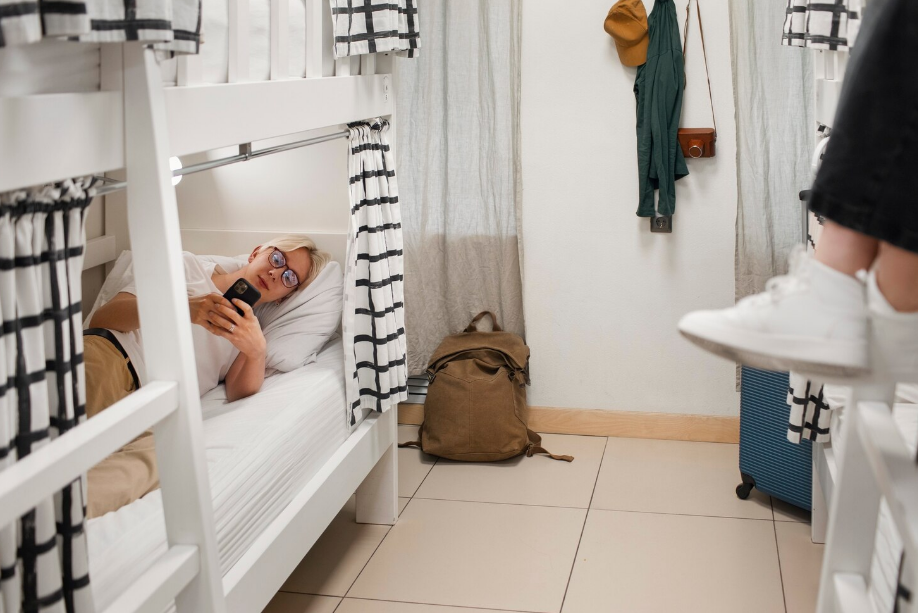
The modern urban residential landscape is increasingly defined by high-density living and diminishing square footage, necessitating a radical reimagining of domestic environments. With the average size of a studio apartment in the United States shrinking by approximately 10 percent since 2008, spatial economy has transitioned from a design luxury to an absolute architectural imperative. The bedroom, traditionally a static sanctuary reserved for rest, now frequently operates as a multi-functional hub encompassing home offices, fitness zones, and entertainment centers. Within this compressed environment, the management of physical possessions presents a critical logistical and psychological challenge.
The integration of clever hidden storage solutions within tiny apartment bedrooms goes far beyond basic organization. It requires an advanced understanding of spatial psychology, architectural topology, modular engineering, and behavioral mechanics. By shifting the design paradigm from standalone storage units to integrated, multi-duty environments, designers and inhabitants can reclaim precious square footage without sacrificing aesthetic integrity or functional capacity. This comprehensive report provides an exhaustive analysis of hidden storage methodologies, examining everything from cognitive environmental impacts and structural sub-floor topographies to robotic furniture automation, precision woodworking techniques, and the economic return on investment for custom built-ins.
The Spatial Psychology of Micro-Living Environments
Before addressing the structural and mechanical solutions for hidden storage, it is crucial to understand the psychological framework that necessitates these interventions. The layout and organization of a bedroom quietly shape daily moods, functioning as an invisible regulatory force on the human nervous system. Homes do not become stressful in an instant; rather, the pressure builds cumulatively through background stimuli.
Cognitive Load, Visual Noise, and Neurological Responses
Environmental psychology research indicates that the human brain is in a constant state of scanning its surroundings for information, even when individuals believe they are “tuned out”. Every object left out in the open—every piece of clothing on a chair, accessory on a nightstand, or unfiled document on a desk—acts as a visual cue. The brain interprets each item as something to use, put away, decide on, repair, finish, or remember. When a small bedroom is saturated with these cues, the resulting phenomenon is known as “visual noise”.
This visual excess actively competes for attention, causing a subtle but persistent rise in cognitive load. In a cluttered room, cortisol levels rise because the nervous system is overwhelmed by the amount of information it must process simultaneously. Studies exploring the psychology of home design reveal that a baseline level of tension follows residents from room to room when objects lack designated, hidden homes.
Hidden storage serves as the primary mechanism for mitigating this visual noise. Enclosing items behind solid doors, under mattress platforms, or within dual-purpose furniture drastically reduces the number of visual stimuli competing for attention. This strategy creates a psychological state of “perceived control,” allowing the nervous system to register the bedroom as a safe, calm sanctuary rather than a chaotic obstacle course. Clear zones and limited color palettes give the brain the structure it needs to rest, shifting the perception of the room from feeling cramped to feeling deliberate and curated.
Spatial Flow, Wayfinding, and Clearance Zones
Wayfinding refers to the ease with which an individual navigates a physical space. In a cramped bedroom, if a resident must constantly dodge oversized dressers or step over floor clutter, the nervous system registers this as environmental friction. Professional organizing principles prioritize clear pathways to ensure that open circulation makes a room feel instantly larger.
Implementing hidden storage removes physical barriers from primary walkways. For instance, replacing a traditional nightstand and standing dresser with a platform bed featuring under-bed pneumatic storage drawers keeps the perimeter of the room unobstructed. Furthermore, designers must account for the “clearance zone”—the physical space required for storage elements to operate. Door storage requires swing room, standard drawers need pull-out room, and lift-tops require vertical clearance. In a tightly constrained bedroom, drawers located at the foot of the bed might be impossible to open fully, dictating the necessity for side-access drawers or hydraulic lift mechanisms that operate entirely within the bed’s existing footprint.
Architectural Interventions and Volumetric Design
When square footage is severely limited—particularly in micro-apartments generally defined as being less than 550 square feet, or hyper-compact micro-units measuring between 200 and 400 square feet—traditional furniture arrangements fundamentally fail. To explore how professionals manage these constraints, reviewing architectural diagrams for tiny apartments illuminates a shift toward volumetric design. Rather than placing furniture into a room, the modern architectural approach is to fit the apartment into the furniture.
The Functional Core and Solid Plywood Volumes
One prevalent strategy in micro-apartment architecture is the creation of a centralized, solid volume that houses multiple residential programs. The “Unfolding Apartment,” a 450-square-foot studio renovation in Manhattan by Michael K Chen Architecture, exemplifies a strategy of “extreme density”. The architects inserted a single, oversized custom cabinetry piece along one wall of the studio. This cabinet operates as a functional core, densely packing a bed, a nightstand, a closet, a home office, a library, kitchen storage, and integrated room lighting into an endlessly reconfigurable series of doors and panels.
Similarly, the “Urban loft Amsterdam” by Bureau Fraai utilizes a single, solid wooden volume constructed from birch plywood. This structure incorporates the bathroom, toilet, storage areas, and a box-bed directly inside the wooden volume, liberating the surrounding perimeter for unobstructed living and dining. In “The Cabin French Alps” by H2O Architectes, the design team inverted traditional layouts by creating a curved “furniture-wall” out of American walnut and light birch plywood. This wall links all functions of the home, stacking eight sleeping arrangements with integrated reading lamps, small tablettes, and hidden storage nooks into a single interlocking mass, proving that extreme density can be both beautiful and highly functional.
Continuous Magnetic Storage Lines and Zoning
Another advanced architectural tactic involves replacing traditional compartmentalized rooms with continuous storage lines. In the “StoRED Home” project in Madrid, the architectural firm gon removed all false ceilings and partitions from a 78-square-meter attic. To manage the client’s extensive collections, they introduced a “magnetic line” of continuous, bright red furniture. This monolithic system runs 14.5 meters long, 0.60 meters wide, and encompasses 22.27 cubic meters of volume. By pushing all storage to a singular, dramatic perimeter line, the central volume of the apartment remains entirely empty and adaptable.
In smaller configurations, such as the “Black Line Apartment” by Arhitektura (70 square meters), all required services are placed along two longitudinal walls, featuring an 8-meter-long element that serves as a study desk, bookshelf, and sitting bench. Even smaller spaces, like the 35-square-meter flat by Studio Bazi, utilize custom wooden “sleep boxes” covered in stained pine panels to define sleeping zones, with sliding storage shelves and massive appliance drawers built directly beneath the elevated bed structure.
Topographical Storage: Exploiting Sub-Floor and Ceiling Void Architecture
In standard residential design, the floor is treated as a flat, unusable boundary, and ceilings are merely acoustic caps. In micro-apartment design, the floor and ceiling represent primary, untapped storage assets. Japan’s architectural movement toward small-footprint living, known as kyosho jutaku (micro-homes), has heavily influenced global approaches to sub-floor organization and vertical expansion.
Step-Up Platforms and Ryokan Integrations
By installing a raised wooden deck or platform within the bedroom, residents unlock massive cubic volume beneath their feet. These floor storage innovations frequently manifest as multi-panel raised decks that physically divide a studio apartment into distinct zones without the need for light-blocking vertical walls.
In a notable Hong Kong apartment, a raised wooden platform demarcates the living and sleeping spaces. This platform contains over ten flush-mounted panels that extend toward the windows, each concealing a deep storage compartment. Furthermore, the system includes a built-in table that is hidden flush within the floor but can be raised mechanically for dining or working. Similar concepts are utilized in children’s rooms, where stepped platforms raise the bed to window height while providing integrated storage within the stair treads.
In Bangkok, Studio La Tarta Piccola designed a home featuring a platform inspired by Japanese ryokans (traditional inns). This box-like structure features four tatami mat panels that discreetly cover deep storage compartments. The space serves as a tea room by day and a sleeping area by night, with sliding panels offering privacy without consuming permanent square footage.
Bunker-Style and Hydraulic Floor Systems
More aggressive structural modifications include bunker-style sub-floor storage. Arte-1 Architects implemented this in a Tokyo residence by building storage directly beneath the kitchen and bedroom floorboards. Accessible via a ladder, this hidden underground bunker houses shelving for dry goods, out-of-season clothing, and even a secondary refrigerator, taking advantage of the naturally cooler subterranean temperatures.
For extreme flexibility, architects like Absence for Island have pioneered hydraulic-powered floor systems. In dynamic kid’s rooms, paneled storage is built into the floor alongside a hydraulic-powered desk. The desk can be elevated to various heights depending on the child’s age and current needs, and retracted completely flush into the floor to open the room for play, allowing the architecture to evolve alongside the inhabitant.
Advanced Multifunctional and Transforming Furniture
For renters, or those without the capital to execute permanent structural renovations, multifunctional furniture provides the most immediate return on spatial investment. The governing rule of micro-living is strict: every item placed in the bedroom must perform at least two, preferably three, distinct functions.
The Evolution of Murphy Beds and Wall Systems
The modern Murphy bed has evolved far beyond the simple spring-loaded mattresses of the 20th century. Today’s transforming wall beds are marvels of mechanical engineering that hide substantial storage within their articulated frames. For a comprehensive overview of these systems, one can review sneaky storage solutions, which highlight the aesthetic and functional capabilities of modern convertible furniture.
High-end models, such as the LGM revolving wall bed, rotate a full 180 degrees to switch seamlessly between a queen-size bed and a fully functioning library or home office setup. Other configurations, like the Penelope Book wall bed by Clei, feature integrated bookshelves above the bed area and recessed nightstands with flip-down shelves that magically remain horizontal during the bed’s descent, ensuring that items placed on the nightstand are not disturbed when the bed is lowered.
Sofa wall beds, such as the Swing Chaise, the Oslo Sofa, and the Roma Sofa Bed, integrate a spacious storage compartment directly underneath the seat of a sectional sofa. When the bed is pulled down over the sofa frame, the underlying storage remains completely concealed and undisturbed, combining luxury seating with high-capacity containment.
Under-Bed Exploitation and Headboard Cavities
A standard queen-sized bed occupies approximately 33 square feet of floor space. Leaving this massive volumetric cylinder empty or unorganized is a critical failure in small space design. Utilizing the void beneath the mattress is achieved through platform beds with built-in drawers, trundle beds, or hydraulic lift mechanisms that raise the entire mattress platform at a 45-degree angle to reveal a closet-sized cavity underneath.
The headboard is another frequently overlooked architectural element that offers premium concealment opportunities. Instead of a solid, purely decorative piece of wood or upholstery, a hollowed-out headboard acts as a secret vault. Designs like the Ikea Oppdal offer handy, affordable storage compartments, while custom bookcase headboards allow chapter books, alarm clocks, and decorative items to be stacked vertically behind the pillows. More advanced designs incorporate pull-out vertical drawers on the sides of the headboard, allowing reading glasses, medications, and electronics to slide entirely out of sight when not in use.
End-of-Bed Storage, Vanities, and Ottomans
Beyond the bed structure itself, auxiliary seating in a tiny bedroom must harbor secrets. A stylish storage bench or lift-top ottoman placed at the foot of the bed offers an elegant method for hiding extra blankets, off-season shoes, or fitness equipment.
Vanity tables and accent chairs should equally feature hidden compartments. Ottomans with lift-up lids, 360-degree swivel upholstered chairs with secret under-seat shelving, and mirrored medicine cabinets repurposed for jewelry storage ensure that cosmetic and accessory clutter is instantly neutralized. By prioritizing double-duty function, such as utilizing a lift-top desk that replaces both a workspace and a filing cabinet, visual noise is systematically eradicated.
Exploiting Verticality, Air Rights, and Perimeter Walls
When floor space is entirely exhausted, the only direction to expand is upward. Exploiting vertical space is a fundamental tenet of small bedroom organization, capitalizing on the room’s “air rights”—the empty space existing between eye level and the ceiling.
Narrow Modular Cabinets and Corner Closets
Standard dressers have a deep footprint (often 18 to 24 inches) that aggressively intrudes into narrow walkways. Replacing them with narrow, shallow cabinets—sometimes only 5 to 10 inches deep—turns blank walls into highly functional storage without adding visual heaviness. These low-profile units are exceptionally adept at storing shoes, folded t-shirts, belts, and accessories.
Corners represent another notoriously underutilized zone in residential layouts. Modular corner closets, such as Single and Double Door Wardrobes, can capture this dead space, transforming intersecting walls into high-capacity storage zones featuring adjustable shelves, hanging racks, and pull-out drawers that follow the exact geometry of the room.
Floating Architecture and Pegboard Systems
Nightstands are necessary for bedside convenience but consume highly valuable floor area. Floating nightstands and wall-mounted shelves (such as the West Elm Lara Floating Nightstand) eliminate the furniture’s physical connection to the floor. Because the human eye measures space by scanning the continuous line of the floorboards, lifting furniture off the ground tricks the brain into perceiving significantly more square footage.
For smaller accessories, pegboards represent a highly adaptable, inexpensive vertical organization system. Mounted on a blank wall or on the back of a closet door, a pegboard utilizes custom pegs, hooks, and small wire baskets to house jewelry, hats, scarves, hair ties, and handbags. This keeps tangles at bay and removes loose items from dresser tops. Additionally, wall-mounted picture ledges (such as the IKEA Mosslanda) can be stacked vertically alongside the bed to hold smartphones, glasses, and charging cables in a profile that is less than five inches deep.
Visual Neutralization via Curtain Concealment
When open shelving is unavoidable due to budget limitations or strict rental lease constraints, the visual noise generated by exposed belongings can be overwhelming. A highly sophisticated method to neutralize this chaos is physical concealment via ceiling-mounted curtains. By installing a simple tension rod or an automated, remote-controlled roller shade in front of a recessed alcove, open closet, or wall of cubbies, the chaotic array of stored items is instantly hidden behind a sheer or textured textile. This not only creates a clean, monolithic wall plane but also serves to dampen sound and improve the acoustic warmth of the bedroom.
Mechatronics, Robotic Furniture, and Automated Solutions
The most revolutionary frontier of hidden storage in micro-apartments lies in mechatronics and robotics. Automated furniture systems allow static bedrooms to morph physically, guided by sophisticated software, sensors, and motorized hardware.
Linear Actuators and Hidden Drop-Down Systems
Linear actuators are specialized mechanical devices that convert the rotational motion of an electric motor into linear push-and-pull movements, enabling heavy architectural elements to move silently, smoothly, and safely. In high-end bedroom designs, these actuators are the secret behind “James Bond” style concealment. They are utilized to create motorized pop-up drawers that rise from flat dresser tops, drop-down televisions that lower from flush ceiling panels, and hidden gun or valuables compartments that slide open automatically.
For deep closet organization, companies like StorageMotion have developed electric vertical carousels. Operating much like a miniature Ferris wheel inside a closet, these motorized systems can utilize ceiling heights up to eleven feet. By simply pressing a button, the motorized tracks rotate clothing rails down to a reachable eye level, effectively quadrupling hanging storage capacity without ever requiring the resident to use a dangerous step stool. Each heavy-duty clothes rail is capable of holding up to 40 pounds, making it an elegant solution for rotating out-of-season wardrobes from the back of the closet to the front. Similarly, drop-down ceiling cabinets (CeilingLift) can lower hidden shelving units directly over a bed or desk, hiding seasonal items securely in the overhead architectural void.
Comprehensive Robotic Living Systems
Companies pioneering robotic real estate have engineered full-scale modular units that glide across the floor on powered tracks. Exploring the capabilities of robotic furniture systems reveals how a single piece of hardware can transform the entire floor plan of an apartment with the touch of a button or a voice command.
Born from a spinout of the MIT Media Lab, Ori Systems builds multi-functional blocks that condense a bedroom, walk-in closet, and home office into a single mechanized unit. The “Cloud Bed” model features a queen-sized bed that drops smoothly from the ceiling over a comfortable built-in sofa, turning a living room into a bedroom in seconds. The “Pocket Closet” and “Pocket Office” models operate on horizontal tracks. When a resident needs to work, the unit slides open to reveal a dedicated home office with space for two monitors, a chair, and copious storage. When the workday ends, the unit closes flush against the wall, making the office completely disappear and expanding the adjacent living space.
While these robotic systems require a significant initial investment—often starting around $10,000 for a base unit—the economic math justifies the expense. By enabling a 300-square-foot studio to deliver the functional utility of a 500-square-foot apartment, these robotic interventions drastically alter the rent-per-square-foot value proposition for urban dwellers, essentially paying for themselves by eliminating the need to rent a larger unit.
Micro-Concealment and Advanced DIY Hardware Modifications
For the ambitious apartment dweller or dedicated DIYer, micro-concealment offers ingenious ways to hide objects in plain sight through clever engineering, hardware hacking, and precision woodworking.
The Masterful Toe-Kick Drawer
One of the most highly requested and innovative ways to capture wasted space in home remodeling is the installation of toe-kick (or kick-toe) drawers. Standard built-in closets, wardrobes, and kitchen-style base cabinets installed in bedrooms usually sit on a hollow wooden base measuring roughly 4 to 4.5 inches high. This structural void exists solely to allow feet to rest comfortably under the cabinet edge while standing close to the counter.
By executing specific carpentry steps, residents can reclaim this cavity for hidden storage. For those looking to master this technique, step-by-step guides on hidden kitchen storage demonstrate that the construction requires exact precision. First, the builder must skip installing the solid front panel of the base. For standard IKEA cabinet hacks, 2×6 boards are ripped down to 4.5 inches on a table saw to build the side frames. The drawer box itself is assembled using 3/4-inch plywood secured with pocket screws (drilled using a Kreg pocket hole jig) and wood glue to ensure it remains perfectly square.
A crucial consideration in woodworking is material movement. The drawer bottom, cut from 1/4-inch plywood, must be slid into place via a dado slot cut into the sides, but it must never be glued. Wood expands and contracts with changes in humidity; gluing the bottom panel will eventually cause the drawer to burst. To prevent the unglued bottom from rattling during use, tiny rubber “space balls” are inserted into the routered grooves. Finally, the drawer is mounted on push-to-open drawer slides, requiring exactly 1/16-inch of spacing. Because there is no external handle, the drawer remains entirely invisible, blending seamlessly into the baseboard until activated with a gentle tap of the foot. This shallow drawer is perfect for storing flat items like shoes, important documents, or laptops.
Mirrored Jewelry Cabinets and Hollowed Objects
Full-length mirrors are essential tools in small bedrooms to bounce natural light and create the optical illusion of depth. However, a standard flush-mounted mirror wastes the wall space directly behind it. By engineering a custom frame, DIYers can create massive hidden jewelry cabinets.
The process begins by building a frame (approximately 3 to 4 inches deep) out of select pine, cutting the top and bottom pieces at a 45-degree miter. This wooden box is firmly anchored into the drywall using heavy-duty sheetrock anchors. The full-length mirror is then attached to the front of the frame using sturdy piano hinges, acting as the cabinet door. A magnetic catch is installed to ensure the heavy mirror snaps shut securely. The 4-inch deep interior is lined with velvet or felt and customized with wooden pegs, bracelet racks, and ring slots, organizing hundreds of small accessories entirely out of sight while maintaining the room’s aesthetic function.
For smaller scale concealment, everyday objects can be repurposed as secret vaults. A hollowed-out stack of vintage suitcases placed at the foot of the bed can serve as an eclectic decor piece while secretly storing out-of-season clothing or heavy winter blankets. Even smaller hacks, such as utilizing a novelty square tissue box cover to hide small valuables by suspending a pocket-pack of tissues at the top opening with a piece of cardboard, showcase just how resourceful and granular micro-storage can be.
Professional Organization Systems and Maintenance Routines
Even the most highly engineered hidden storage architecture will fail rapidly if the internal systems governing the stored items are not rigorously maintained. Consulting with professional organizers reveals that the behavioral methodology behind how items are stored is just as critical as the physical structures hiding them.
The Psychology of Decluttering and Seasonal Resets
Before any hidden storage system is purchased or built, an exhaustive decluttering phase must occur. Professional organizers emphasize evaluating the absolute utility of every object; clothes that no longer fit, books that will not be reread, and decorative items that no longer spark joy only consume highly valuable real estate.
Once a streamlined baseline is established, adhering strictly to the “one-in, one-out” rule—where any new purchase dictates the immediate donation or disposal of an existing item—prevents the slow, insidious creep of visual noise. Furthermore, engaging in seasonal resets three to four times a year ensures that bulky winter coats and boots are rotated out of prime accessible storage and moved to deep under-bed bins or high ceiling cabinets during the summer months.
Compartmentalization and Visual Uniformity
Inside hidden drawers and closets, strict compartmentalization is mandatory. Utilizing specialized drawer dividers prevents loose items from migrating and tangling, ensuring that a drawer opens smoothly and its contents are immediately identifiable. For hanging items, replacing a chaotic jumble of mismatched plastic and wire hangers with slim, uniform velvet or wooden hangers reclaims horizontal rod space—often increasing closet capacity by up to 30%. This uniformity also presents a visually soothing, high-end boutique appearance when the closet doors are opened.
Categorizing items into transparent or opaque modular bins (such as the IKEA SAMLA or KUGGIS boxes) allows for stackable organization on open shelves. Applying clear, neurodiversity-informed visual labels to these bins reduces the cognitive load required to find specific items, creating a predictable layout that is easy to maintain. Finally, establishing a localized drop zone—a specific tray or hidden drawer near the door dedicated strictly to keys, pocket change, and daily mail—halts the spread of transient clutter across primary surfaces like nightstands and dressers, preserving the serene atmosphere of the bedroom.
Economic Analysis: Cost and ROI of Custom Built-In Storage
Integrating hidden storage solutions ranges from inexpensive weekend DIY hacks to premium, contractor-led architectural installations. Understanding the financial dynamics is crucial for property owners and renters looking to maximize utility while protecting their investments.
Custom built-in storage does more than clear clutter; it directly enhances the architectural appeal and real estate marketability of a property. Below is a comparative analysis of various hidden storage methodologies, outlining average costs, installation difficulty, and expected Return on Investment (ROI) based on market data.
Hidden Storage Investment & ROI Comparison
| Storage Solution Category | Typical Cost Range (USD) | Installation Difficulty | Expected ROI (%) | Primary Benefit in Micro-Bedrooms |
| Custom Closet Systems | $1,043 – $3,220 | Moderate (Professional recommended) | 50% – 60% | Maximizes vertical hanging space, integrates shoe racks, and eliminates need for standing dressers. |
| Built-In Wall Bookshelves | $2,000 – $14,000 | High (Requires skilled carpentry) | 60% – 80% | Utilizes full wall height, acts as an aesthetic focal point, and provides high-density cubic storage. |
| Robotic Furniture Systems | $10,000+ | High (Requires specialized tracks/wiring) | Varies (High rent premium) | Transforms one 300 sq. ft. room into three distinct functional zones (sleep, work, lounge). |
| Toe-Kick Hidden Drawers | $50 – $200 (DIY materials) | Moderate (Requires power tools/table saw) | N/A (Personal utility) | Captures 4.5 inches of completely dead floor space under baseboards for flat item storage. |
| Hydraulic Storage Beds | $400 – $1,500 | Low (Pre-fabricated assembly) | Immediate functional value | Recovers ~33 sq. ft. of floor space for bulk items without requiring extra clearance room to open. |
| Mirrored Jewelry Cabinets | $40 – $150 (DIY materials) | Low (Wall mounting and framing) | N/A (Personal utility) | Consolidates hundreds of accessories into a discreet 4-inch deep wall profile behind a functional mirror. |
Data synthesized from market averages and professional contracting estimates. Note that custom installations utilizing premium materials (like solid cedar, custom stains, or radius corners) will heavily skew toward the higher end of the cost spectrum, whereas MDF, plywood, and laminate provide highly cost-effective, faster-to-install alternatives.
For individuals considering comprehensive renovations, exploring localized insights on custom closet costs can provide detailed square-footage data to inform budgeting decisions. Ultimately, built-ins that complement a room’s natural layout rather than physically dominating it boost buyer appeal by making the home feel highly curated, meticulously cared for, and functionally expansive.
Frequently Asked Questions (FAQ) Regarding Micro-Bedroom Storage
To address the specific, recurring challenges faced by individuals attempting to optimize compact sleeping quarters, the following FAQ consolidates essential, expert-backed advice:
Q: How do I maximize storage in a small bedroom that completely lacks a built-in closet? A: When a bedroom lacks a traditional closet, you must rely on freestanding multi-functional furniture and vertical air rights. A hydraulic lift platform bed is essential, as it can hold the cubic equivalent of a large dresser. Combine this with narrow, wall-mounted cabinetry running close to the ceiling to store off-season items. Additionally, utilizing freestanding garment racks hidden behind ceiling-mounted, wall-to-wall curtains can successfully simulate the look and function of a custom closet without requiring permanent structural construction.
Q: What is the most cost-effective way to add hidden storage for a renter on a tight budget? A: The highest yield for the lowest financial cost comes from utilizing the vertical space on the back of doors and the deep void under the bed. Over-the-door hanging organizers, which require no drilling, can hold shoes, toiletries, and small accessories. Using inexpensive heavy-duty bed risers to elevate a standard bed frame by several inches allows for the seamless integration of rolling storage bins, vacuum-sealed bags, or canvas totes beneath the mattress.
Q: Does adding floor-to-ceiling custom built-in cabinetry make a tiny bedroom feel claustrophobic or smaller? A: Counterintuitively, built-ins often make a room feel significantly larger. Freestanding furniture (like individual dressers and bookcases) creates dark, awkward gaps between the pieces and the walls, adding to visual clutter and making the room feel choppy. Custom built-ins that run seamlessly from floor-to-ceiling and wall-to-wall create a clean, monolithic look. This draws the eye upward, reduces shadows, and makes the architectural envelope of the room feel unified and expansive.
Q: How can I hide electronics, power strips, and their accompanying cords in a small bedroom? A: Cable management is a critical, often neglected component of hidden storage. Utilize nightstands with built-in charging stations or use aesthetically pleasing hollowed-out book boxes to house ugly power strips and excess cable lengths on top of a desk. If integrating a television into the bedroom, motorized drop-down mounts from the ceiling or foot-of-the-bed pop-up cabinets powered by linear actuators can keep black screens completely hidden from view until actively needed.
Q: Are advanced robotic furniture systems a viable option for temporary renters? A: Most heavy robotic systems, such as moving pocket walls or ceiling-mounted drop beds, are installed by property developers during construction or major renovations and are permanently hardwired into the unit. However, there are standalone, plug-and-play motorized pieces, such as automated drop-down shelving or remote-controlled expanding tables, that can be integrated without permanently altering the fundamental structure of the apartment. That said, they remain a premium financial investment best suited for long-term leaseholders or property owners.
Q: How do I handle storage for an extensive shoe collection in a small space? A: Shoes consume vast amounts of horizontal space. The most efficient solutions involve going vertical. Utilize ultra-narrow, tilt-out shoe cabinets that sit flush against a hallway or bedroom wall (often only 6 to 8 inches deep). Alternatively, install motorized rotating shoe rack carousels inside an existing closet, or utilize the aforementioned DIY toe-kick drawers under base cabinets, which are perfectly sized for sliding in flats and sandals.
Conclusion: Synthesizing Space and Serenity
The pursuit of optimizing a tiny apartment bedroom transcends the simple, mundane act of tidying; it is a complex, highly rewarding intersection of spatial engineering, cognitive psychology, and innovative interior design. As urban populations continue to swell and residential footprints inevitably compress, the capacity to live comfortably, productively, and peacefully relies entirely on how well we master the architecture of concealment. To discover further strategies on maximizing compact living, reviewing bedroom storage hacks can provide ongoing inspiration.
The successful integration of hidden storage solutions requires a holistic approach. It begins with the psychological understanding that visual noise actively degrades mental well-being, elevating the necessity of hiding everyday objects behind clean, structured facades. From the foundational topography of raised floor platforms and bunker-style trapdoors to the mechanized brilliance of robotic furniture and the simplistic, yet masterful ingenuity of DIY toe-kick drawers, residents possess an arsenal of techniques to reclaim their environments. By aggressively exploiting vertical air rights, insisting on multi-functional convertible furniture, and maintaining strict organizational regimens like the one-in, one-out rule, the boundaries of a small room can be stretched exponentially.
Moving forward, the successful micro-apartment will not be defined by how little it contains, but rather by how intelligently it conceals its contents. Implementing these advanced storage frameworks requires a blend of creative vision and structural discipline. Whether executing inexpensive weekend DIY projects like building mirrored jewelry cases, or investing heavily in custom, floor-to-ceiling architectural cabinetry, the core objective remains unwavering: to create living spaces where aesthetic calm and immense functional capacity exist in perfect harmony. By leveraging the principles detailed in this exhaustive report, any compact bedroom—no matter how small the square footage—can be meticulously engineered to support a rich, organized, and unencumbered lifestyle.

