


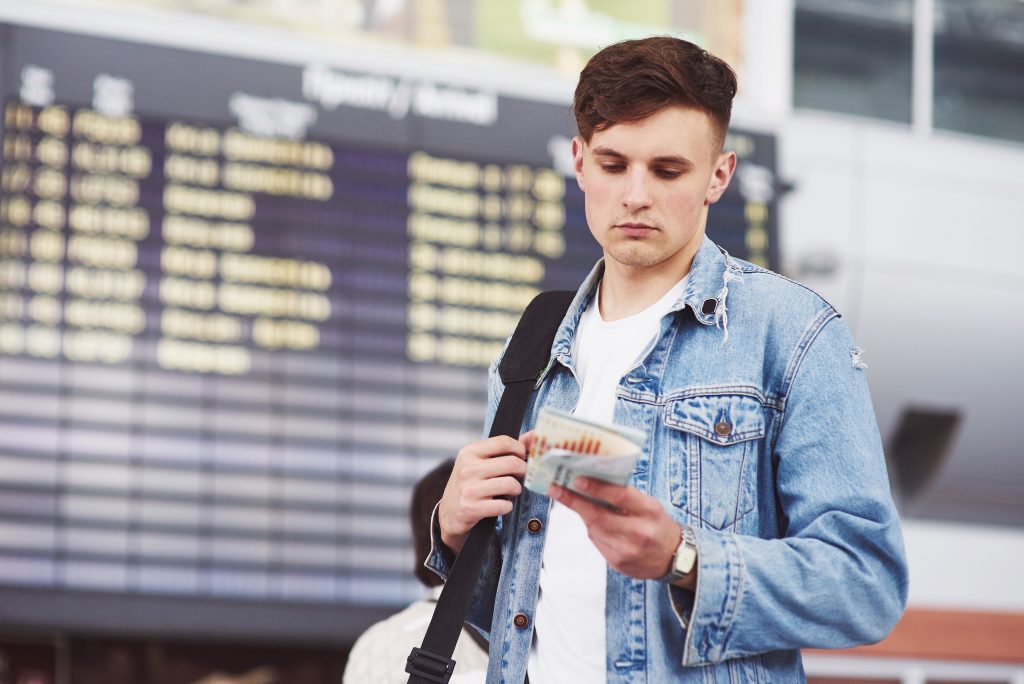
The allure of a remarkably cheap flight is universally appealing. Finding a cross-country or international ticket for less than the cost of a daily commute can feel like an absolute triumph in travel planning. Over the past two decades, the aviation landscape has been dramatically transformed by carriers offering these seemingly impossible fares. However, the initial price displayed on a booking screen often represents just a fraction of the final cost. By the time a traveler navigates baggage selections, seat assignments, and boarding passes, that budget-friendly ticket can quickly equal, or even exceed, the price of a standard fare on a legacy carrier.
Understanding the financial mechanics behind these low fares requires examining the unbundled airline model. This pricing structure strips the flying experience down to its most basic element: a seat on an aircraft moving from point A to point B. Everything else is considered an optional extra. Navigating this landscape requires vigilance, strategic planning, and a deep understanding of airline policies. This comprehensive guide breaks down the hidden costs associated with budget airlines, explores the regulatory efforts aimed at transparency, and provides actionable, expert-backed strategies to keep travel expenses genuinely low.
The Anatomy of a Budget Airline Fare: Understanding the Unbundled Model
To understand why budget airlines charge for seemingly basic necessities, it is essential to look at how their business model is structured. Traditional, full-service carriers historically utilized a bundled pricing model. A single ticket price covered the flight, a checked bag, a carry-on, seat selection, onboard meals, and a reasonable degree of customer service flexibility.
Low-cost carriers (LCCs) disrupted this standard by introducing the unbundled pricing model, often referred to as a-la-carte pricing. By removing all complimentary amenities, these airlines can advertise rock-bottom base fares. This strategy caters directly to highly price-sensitive consumers who prioritize the lowest possible upfront cost. The global low-cost carrier market is projected to reach unprecedented growth, driven by this exact consumer demand for accessible air travel.
However, the base fare is often a loss leader. The airline’s true profit margin is generated through ancillary revenue—the industry term for the fees collected from passengers for non-ticket items. This revenue stream is so critical that for many budget airlines, ancillary fees make up a massive percentage of their total operating income. From charging for a bottle of water to implementing penalties for failing to print a boarding pass at home, the financial success of the LCC model depends entirely on passengers purchasing add-ons or making logistical missteps.
According to global aviation authorities, the efficiency and rapid turnaround times of low-cost carriers are what allow them to maintain such high flight frequencies. But that efficiency is tightly controlled; any deviation by the passenger, such as needing an agent’s help at the check-in desk, incurs a premium fee.
The Most Common Hidden Costs (And How They Sneak Up on Travelers)
The key to avoiding the financial traps of budget air travel is knowing exactly where the fees are hidden. Airlines utilize a psychological pricing strategy known as “drip pricing,” where additional costs are slowly revealed throughout the checkout process. Here is a detailed breakdown of the most common hidden expenses.
1. The Baggage Trap: Personal Items vs. Carry-Ons
Baggage policies are the most lucrative source of ancillary revenue for budget airlines. Unlike traditional carriers that typically allow a free carry-on bag and a personal item, ultra-low-cost carriers usually only permit one small personal item for free. This item must fit entirely under the seat in front of the passenger.
If a traveler arrives at the gate with a bag that must go in the overhead bin, they are hit with a carry-on fee. What makes this particularly dangerous for the wallet is the sliding scale of baggage pricing. Paying for a carry-on or checked bag at the time of booking is the cheapest option. If the passenger waits until they arrive at the airport check-in desk, the fee increases significantly. If the bag is flagged at the boarding gate, the penalty is usually at its absolute highest, sometimes costing more than the flight itself.
2. Seat Selection and Group Seating
On traditional airlines, passengers can often select a standard seat for free during the booking process or at check-in. Budget airlines, however, assign seats randomly to passengers who do not pay an extra fee. For solo travelers, this might just be a minor inconvenience, resulting in a middle seat near the back of the aircraft.
For families or groups traveling together, this policy presents a significant financial hurdle. Budget airlines utilize algorithms that frequently separate passengers on the same itinerary unless they pay the seat selection fee. For parents traveling with young children, paying to sit together becomes a non-negotiable hidden cost rather than an optional luxury.
3. Boarding Pass Printing and Airport Check-In Fees
One of the most surprising fees for first-time budget airline passengers is the charge for printing a boarding pass. Because LCCs operate on razor-thin margins, they actively discourage the use of human resources at the airport. Travelers are expected to check in online and use a digital boarding pass on their smartphones or print their passes at home.
Failing to do so, and subsequently requesting a printed pass from a ticketing agent, can result in a hefty fee. Some airlines also charge a “customer service fee” simply for interacting with an agent at the desk, further pushing consumers toward full self-service. When looking at whether a specific budget airline is actually a good deal, these desk fees are often the tipping point that makes a legacy carrier a better value.
4. Onboard Refreshments and Entertainment
The days of complimentary peanuts and ginger ale are non-existent on budget carriers. Every item consumed on board, from a bottle of water to a hot cup of coffee, comes with a price tag. Because security regulations prevent passengers from bringing liquid containers larger than 3.4 ounces through security, travelers are often forced to purchase expensive bottled water in the terminal or buy it directly from the flight attendants. Furthermore, budget aircraft are rarely equipped with seatback screens or in-flight Wi-Fi, and if Wi-Fi is available, it is offered at a premium daily rate.
5. Draconian Change and Cancellation Fees
Flexibility is a luxury in the aviation industry. Budget airline tickets are almost universally non-refundable and non-changeable without severe financial penalties. If a traveler needs to alter their flight date or time, the change fee, combined with the difference in fare, frequently exceeds the original cost of the ticket. In many scenarios, abandoning the ticket and booking a completely new flight is more economical than attempting to change an existing budget itinerary. Recognizing when to book refundable travel versus budget fares is a critical skill for frequent flyers facing uncertain schedules.
Government Regulations and Fee Transparency
The proliferation of hidden fees has not gone unnoticed by regulatory bodies. Consumer advocacy groups and government transportation departments have increasingly scrutinized the drip-pricing tactics of the airline industry. The goal of these regulations is not to dictate what airlines can charge, but rather to ensure that consumers are fully informed of the total cost before they enter their credit card information.
In the United States, the Department of Transportation (DOT) has spent years fighting for clearer pricing structures. Recently, the DOT implemented stringent rules regarding airline passenger protections and fee transparency. Under these regulations, airlines and ticket agents are required to clearly disclose specific fees for checked bags, carry-on bags, and flight changes alongside the initial fare quotation.
The regulatory framework emphasizes that consumers cannot effectively price-shop if the true cost of transportation is obscured until the final stages of checkout. Previous iterations of these rules required airlines to post transparency of ancillary service fees prominently, but airlines often buried them in complex links. Modern regulations mandate that fee disclosures be itinerary-specific, meaning the passenger must see exactly what a bag will cost for their specific route and date, rather than a vague range.
Despite these regulatory improvements, the burden of awareness still largely falls on the consumer. Airlines are complying with the law by displaying the fees, but it is up to the traveler to actively calculate the total cost when comparing a budget airline against a full-service carrier.
Budget Airlines vs. Full-Service Carriers: A True Cost Comparison
To illustrate how quickly ancillary fees add up, it is helpful to look at a standard travel scenario. Consider a passenger traveling for a four-day weekend, requiring one overhead carry-on bag, wanting to choose an aisle seat, and planning to buy a bottle of water on the plane.
The True Cost of Air Travel: A Standard Scenario Comparison
| Expense Category | Budget Airline (Unbundled Model) | Full-Service Carrier (Bundled Model) |
|---|---|---|
| Advertised Base Fare | $59.00 | $149.00 |
| Carry-On Bag (Overhead) | $45.00 (Paid at booking) | $0.00 (Included) |
| Standard Seat Selection | $18.00 | $0.00 (Included) |
| Airport Check-In / Printing | $25.00 (If forgotten at home) | $0.00 (Included) |
| Onboard Beverage (Water) | $4.00 | $0.00 (Included) |
| Total Out-of-Pocket Cost | $151.00 | $149.00 |
As the comparison illustrates, the budget airline’s advertised price was nearly $100 cheaper than the full-service carrier. However, once the basic amenities necessary for a standard weekend trip were added, the budget airline became the more expensive option.
This is the fundamental reality of the evolving low-cost carrier market. The model is designed specifically to capitalize on the passenger’s assumption that the base fare is the final fare. When travelers learn to calculate these costs upfront, they can make genuinely informed decisions about which airline offers the best actual value for their specific itinerary.
Expert Strategies to Avoid Budget Airline Fees
While the fees are numerous, they are not entirely unavoidable. Savvy travelers have developed rigorous systems for navigating the unbundled airline model, allowing them to take advantage of the ultra-low base fares without falling victim to the ancillary charges. By treating the booking process as a strategic exercise, consumers can protect their travel budgets.
Master the Art of the “Personal Item”
The single most effective way to save money on budget airlines is to travel exclusively with a personal item. This requires a shift in packing philosophy. A personal item is generally defined as a small backpack, laptop bag, or purse that can comfortably slide beneath the seat.
To maximize this space, travelers frequently utilize compression packing cubes, which vacuum-seal clothing to reduce bulk. Rolling clothes instead of folding them also maximizes interior bag capacity. Another strictly factual observation of frequent flyers is the strategic use of clothing; wearing the heaviest items—such as bulky boots, winter coats, and thick sweaters—onto the plane frees up substantial space inside the personal item. Some travelers even utilize specialized travel vests with multiple deep pockets to carry electronics, toiletries, and small accessories, effectively bypassing baggage dimensions entirely.
Always Pay for Bags at the Time of Booking
If traveling with only a personal item is impossible, the next best strategy is to purchase baggage allowance immediately. Budget airlines utilize dynamic pricing for their baggage fees. Adding a checked bag during the initial online booking process is always the lowest available rate. If a traveler decides to add a bag later through the airline’s app, the price increases. Paying for a bag at the airport check-in counter is significantly more expensive, and being forced to check a bag at the boarding gate is the most punitive cost of all. Committing to a packing list before booking ensures the lowest possible baggage rate.
Download the Airline App and Check In Digitally
To completely avoid boarding pass printing fees, passengers must embrace digital check-in. Exactly 24 hours before the flight, travelers should use the airline’s official mobile app to check in and download the boarding pass directly to their smartphone’s digital wallet. This prevents the need for a paper ticket. Furthermore, the mobile app often provides real-time updates regarding gate changes or delays, which is crucial since budget airlines frequently have fewer physical customer service agents available in the terminal to assist with these updates.
Bring Your Own Provisions
Because airport security strictly prohibits bringing large volumes of liquid through the scanners, passengers are uniquely vulnerable to high beverage prices once inside the terminal and on the aircraft. The standard workaround is to bring an empty, reusable water bottle through the TSA security checkpoint and fill it at a terminal hydration station before boarding.
Similarly, packing solid snacks from home—such as protein bars, sandwiches, or mixed nuts—circumvents the need to purchase overpriced in-flight food. As long as the food does not contain liquids or gels that violate security protocols, it is perfectly acceptable to bring it onto the aircraft.
Utilize Credit Card Travel Protections and Memberships
Frequent budget travelers often leverage specific financial tools to mitigate costs. Certain premium travel credit cards offer annual airline fee credits that can be applied to incidentals like baggage fees or seat selection on budget carriers. Additionally, some credit cards provide built-in trip delay or cancellation insurance. Since budget airline tickets are highly inflexible, relying on a credit card’s trip protection can save a traveler from losing the entire value of their ticket if an emergency arises.
Furthermore, some budget airlines offer subscription services or discount clubs. While these require an upfront annual fee, they provide significant discounts on base fares and baggage for frequent flyers. However, consumers must carefully calculate their projected travel volume to ensure the annual fee pays for itself over the course of the year.
Understand Regional Market Variations
It is also important to note that the low-cost carrier experience varies drastically by global region. While U.S. and European budget airlines are infamous for their strict fee structures, the aviation market in regions like India or Southeast Asia features LCCs that sometimes offer slightly more generous baggage allowances due to intense regional competition. Recognizing how low-cost carriers operate globally helps international travelers prepare for differing rules regarding carry-on weights, which are often strictly enforced with scales at international departure gates.
Frequently Asked Questions (FAQ)
To further clarify the complexities of budget airline travel, here are detailed answers to the most common questions regarding hidden fees.
Why do budget airlines charge for carry-on bags but not personal items?
Budget airlines rely on fast turnaround times to maximize aircraft utilization. Loading and unloading overhead bins significantly slows down the boarding and deplaning process. By charging a high fee for overhead carry-on bags, the airline discourages passengers from bringing them, which speeds up boarding. Personal items, which fit under the seat, do not impede the flow of traffic in the aisles, hence they remain free.
If my flight is canceled by the budget airline, do I get a refund for my seat and baggage fees?
Yes. Under standard aviation regulations, if an airline cancels a flight or makes a significant schedule change and the passenger chooses not to travel, the airline is required to provide a prompt refund. This refund must encompass the base fare as well as any optional ancillary fees purchased, such as baggage, seat selection, or priority boarding, since those services were not provided.
Is it ever cheaper to buy two one-way tickets on different budget airlines instead of a round trip?
Frequently, yes. Because budget airlines operate on point-to-point networks rather than traditional hub-and-spoke models, mixing and matching carriers for departure and return flights can sometimes yield a lower total cost. However, travelers must be incredibly careful to align the baggage policies of both airlines; an under-seat bag that fits the dimension requirements of the outbound airline might be considered oversized and subject to a fee by the return airline.
How strict are budget airlines with baggage dimensions at the gate?
Extremely strict. Budget airlines frequently place metal sizing bins at the boarding gate. Gate agents are often incentivized or strictly mandated to require passengers to place their bags into these sizers. If the bag does not slide in easily without force, or if wheels or handles protrude, the passenger will be forced to pay the maximum gate-check fee before being allowed to board.
Can I avoid the seat selection fee if I wait until check-in?
If a passenger declines to pay the seat selection fee during booking, the airline’s system will randomly assign them a seat during the 24-hour check-in window. At that point, the seat is free. However, if the passenger dislikes the random assignment (for example, receiving a middle seat) and wishes to change it, they will still be required to pay a fee to move to an available preferred seat.
Conclusion
The evolution of the budget airline industry has fundamentally democratized air travel, allowing millions of people to explore the world at a fraction of historical costs. However, this accessibility requires a trade-off in the form of extreme consumer vigilance. The unbundled pricing model is not inherently deceptive, provided the traveler understands exactly what they are purchasing: a safe transit from one airport to another, with zero additional comforts included.
Navigating the hidden costs of budget airlines is ultimately an exercise in preparation. By recognizing the mechanisms of drip pricing, understanding government regulations surrounding fee transparency, and utilizing strict packing and booking strategies, travelers can successfully outsmart the system. The true value of a low-cost ticket is only realized when the final out-of-pocket expense aligns closely with that initial, eye-catching base fare. Being an informed consumer transforms the stress of budget flying into a highly rewarding travel hack, ensuring that travel budgets are spent on the destination rather than the journey.

